Santa Maria and the Miracoli: living beside the marble
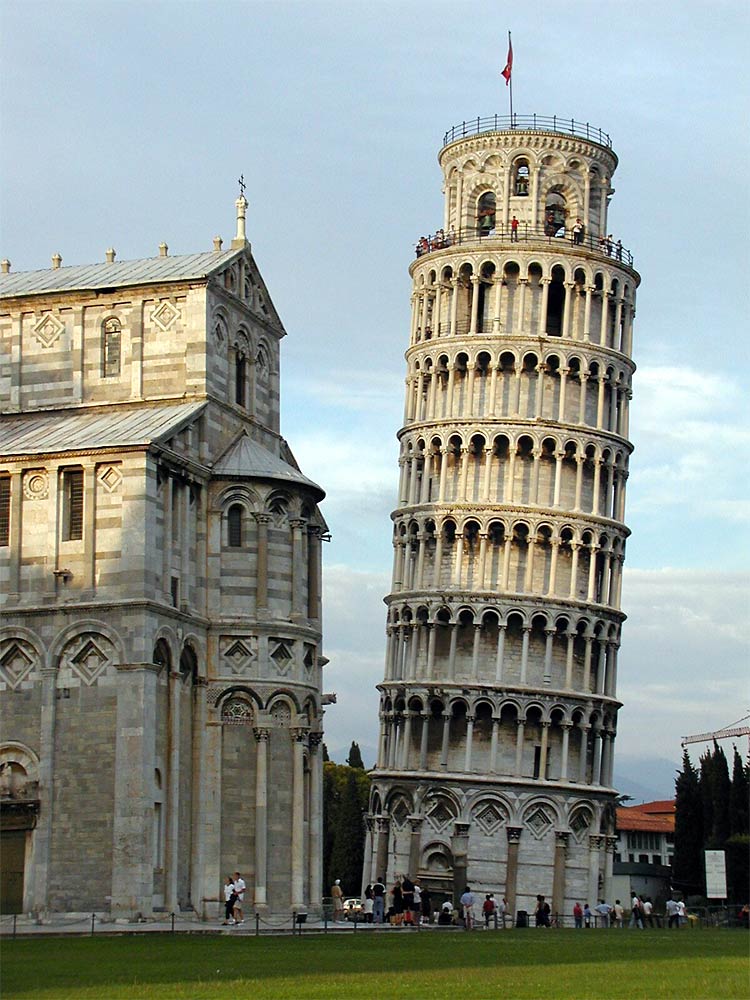
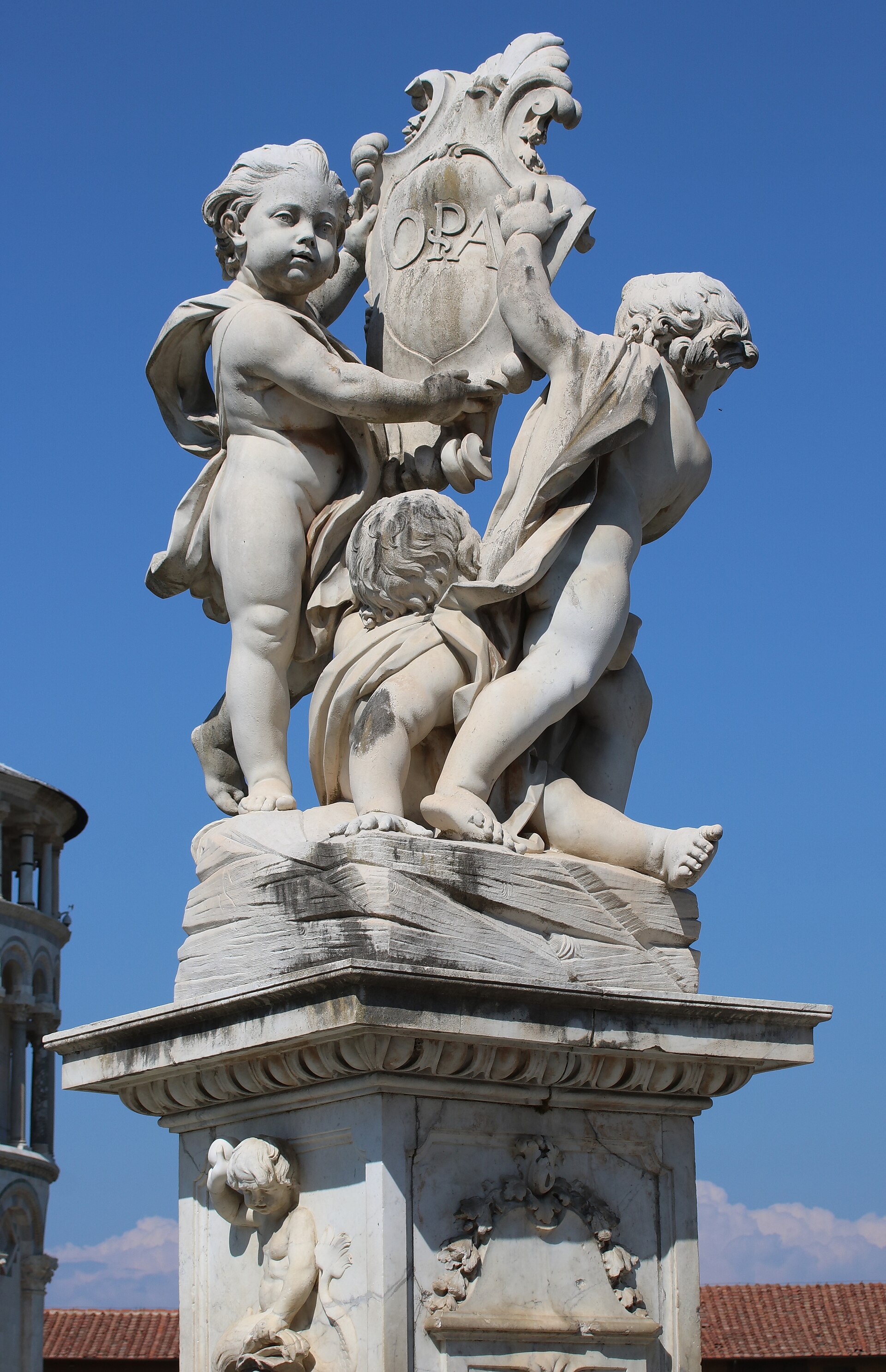
The Santa Maria district is Pisa's most iconic face: here Piazza dei Miracoli becomes your morning living room, minutes from home. Staying in this zone means reaching the cathedral at seven when the lawn is still dewy and souvenir stalls are not yet set up. It is the natural choice for first-time visitors who want to walk everywhere without buses — Baptistery, Camposanto and cathedral museum fit within a few minutes' radius.
The trade-off is midday tourist flow: scooters, flagged tour groups and many languages fill lanes towards Porta Nuova. Locals know the quarter regains balance at night — warm light on marble, students heading to Borgo Stretto, restaurants opening in historic cellars. If you book here, look for courtyard flats or upper floors: the Tower view may justify the price, but quiet depends on distance from the main road.
Santa Maria suits couples and families who accept a lively centre: corner shops are scarce, yet Piazza delle Vettovaglie is ten minutes away. Parking remains the sore point; many guests leave cars in guarded lots outside the ZTL and finish on foot. To compare curated central stays, browse our downtown apartments in Pisa filtered for Santa Maria.
Lungarno and historic centre: palaces, light and strolls
The Lungarno Mediceo tells noble Pisa: coloured façades mirrored in the Arno, palaces where goods were once counted and refurbished flats now overlook the river. Staying here delivers sunsets absent from Tower postcards and quick access to Corso Italia — shops, cinemas, historic gelaterie. It fits travellers who want atmosphere without sleeping exactly on the Miracoli lawn.
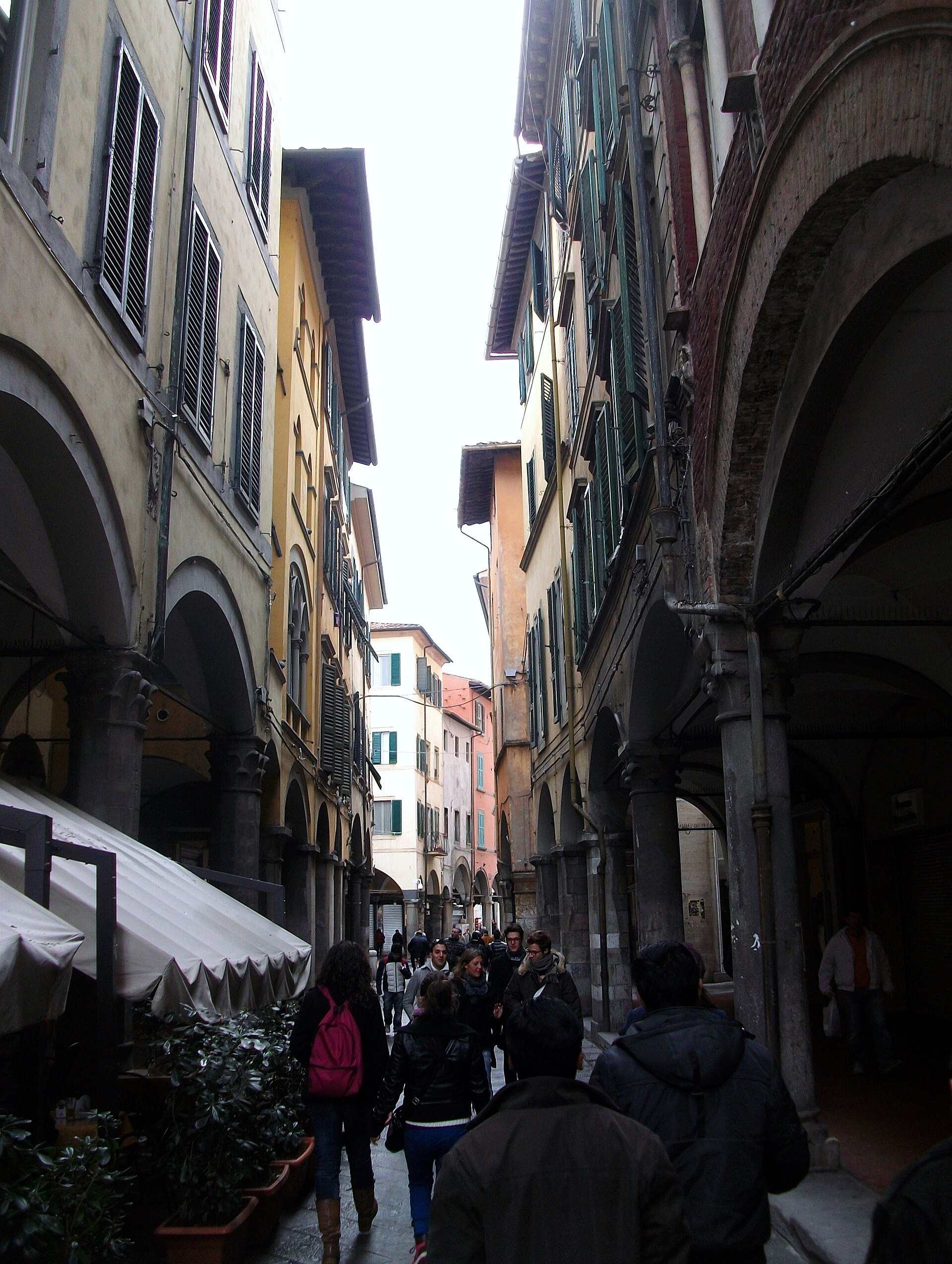
From the Lungarno you reach Borgo Stretto in minutes, medieval arcades where focaccia scent meets old books. Evening bars fill riverside terraces; noise stays mild compared with major capitals, yet light sleepers should check window insulation. Many guests pair this quarter with slow nights and pastry breakfasts before detouring to the Leaning Tower.
Between Lungarno and Piazza dei Cavalieri, lanes mix medieval fabric with contemporary murals. Ideal for four- to six-night stays: each day can follow a different route without repeating the same path. Mind steps and cobbles with strollers — beauty comes with some uphill effort towards upper squares.
Sant'Antonio and station area: practicality and links
Sant'Antonio, south-west of the core, is functional Pisa: close to Pisa Centrale, handy for trains from Florence or Rome and for Galilei airport buses. It is not the romantic postcard, yet often cheaper, with supermarkets, pharmacies and buses to the centre in ten–fifteen minutes. For tired children or heavy luggage, shortening the first leg is genuine luxury.
The quarter has authentic neighbourhood life: bars priced for residents, pizza al taglio, local markets. Evenings are not empty, but you avoid the Miracoli tourist chorus under your window. Planners of day trips — Lucca by train, coast by car — find a logistics hub without crossing the entire centre on every return.
Before booking, check bus lines or real walking distance to Piazza Garibaldi and Ponte di Mezzo: some routes are more direct. Read getting around Pisa to combine buses, bike share and morning walks; Sant'Antonio rewards mixed mobility when afternoons turn hot.
Porta a Mare and Santa Marta: university rhythm
Porta a Mare and Santa Marta, south towards the Arno mouth, show young Pisa: converted warehouses, murals, live music venues and students on bikes. Staying here accepts more distance to the Miracoli — twenty-five to thirty minutes on foot — in exchange for often larger flats and less pass-through tourism pressure.
Pisa's riverside is not the Etruscan coast, yet offers walks towards Bocca d'Arno and wide sunsets on clear days. Shipyard sites and port culture draw curious families and couples who explore beyond the Tower. Evenings fill with residents; you will not find the same boutique hotel density as downtown, but trattorias whose menus are not translated six ways.
The zone suits longer stays or repeat visitors who want to see how the city lives between semesters. Verify bus links downtown and parking if you drive: Porta a Mare is more self-sufficient than Santa Maria, less photogenic at dawn. For space and a full kitchen, compare flats here with university and port area rentals on our portal.
In summary
There is no single «best neighbourhood» in Pisa — only the right district for your rhythm, transport and how you want the city to feel at morning and night.
- Santa Maria and Miracoli: closest to monuments, ideal for first visits and walking itineraries.
- Lungarno and historic centre: river atmosphere, Corso Italia shopping, evening strolls.
- Sant'Antonio: strong for train, airport and tighter budgets with buses to the core.
- Porta a Mare and Santa Marta: more space, student life, less tourist compression.
- Choose lodging after defining parking, night noise and length of stay.