What Pisan June is and why it transforms the city
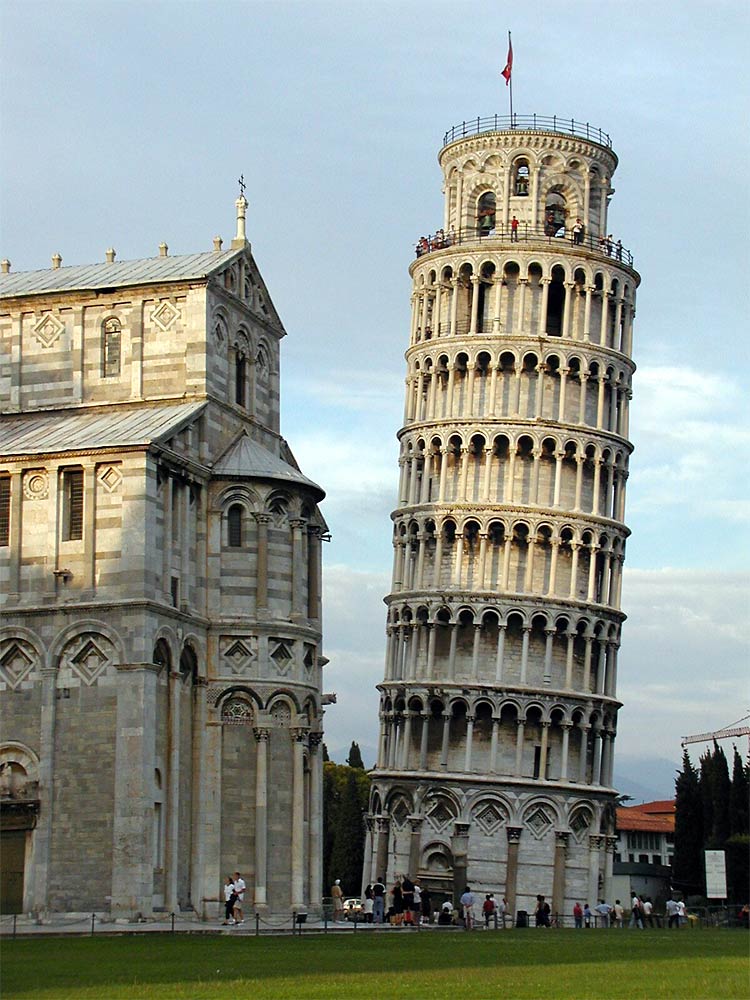
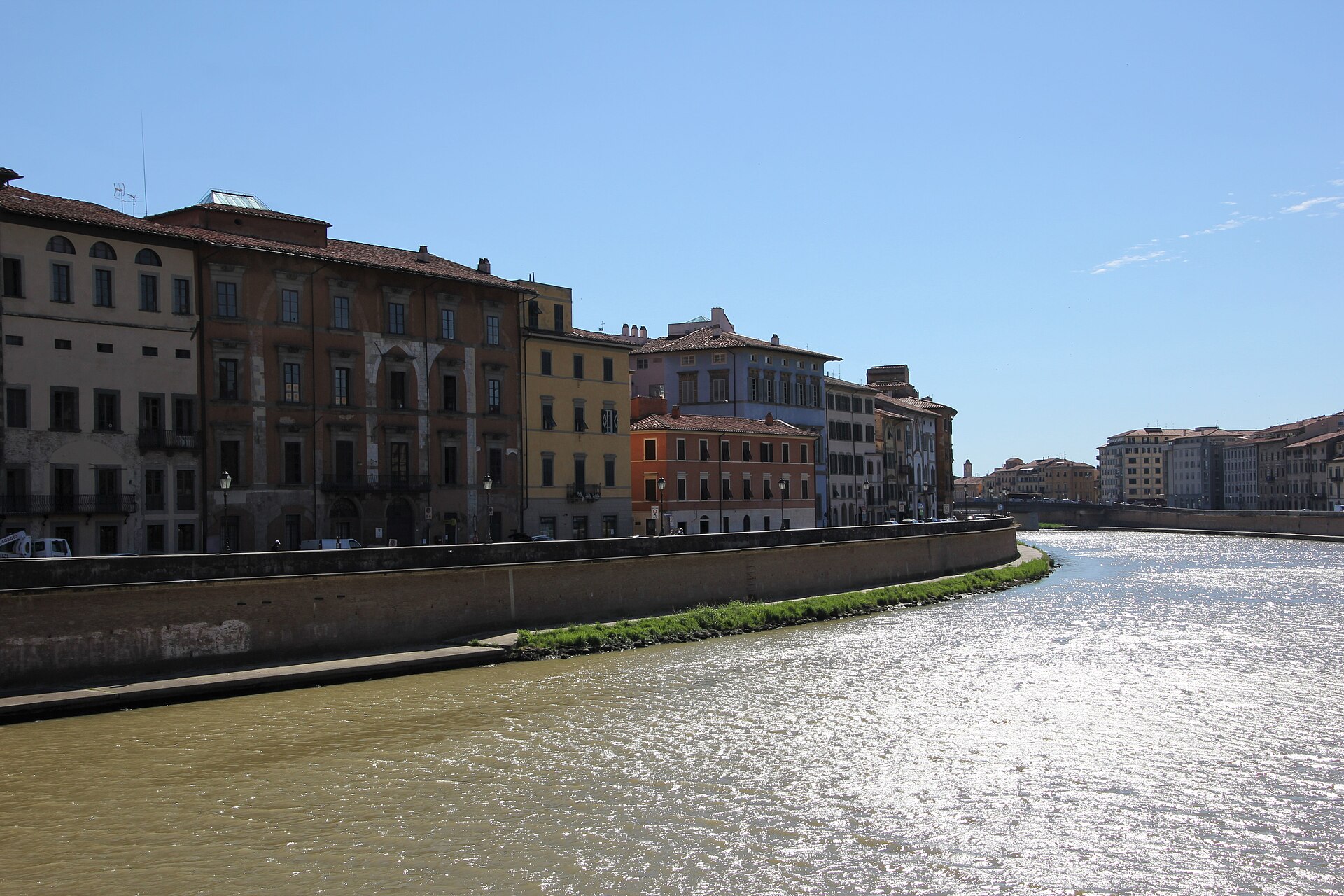
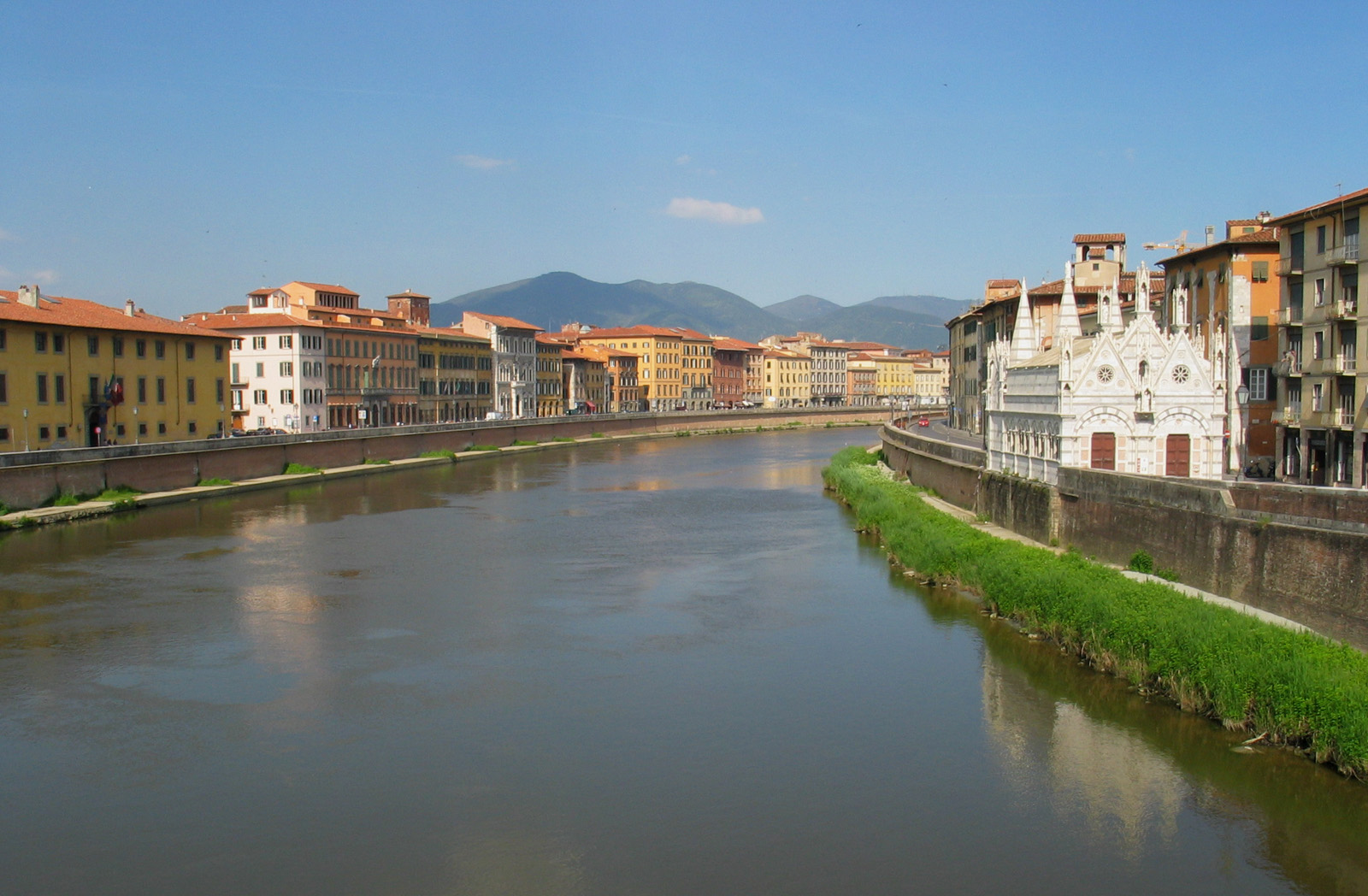
Giugno Pisano is not a single box to tick: it is a month when Pisa reawakens the memory of its maritime republic and the cult of San Ranieri, the city's patron saint. Streets fill with flags of the four historic districts — Santa Maria, San Francesco, Sant'Antonio, San Martino — and the river returns as sporting arena and stage of light. Visitors who come only for the Tower discover a festive, loud, proud city, very different from half-day tourist Pisa.
For locals, Pisan June is identity: costumed re-enactments, district suppers, rowers training on the Arno visible from spring onwards. For travellers it is a rare chance to see living centuries-old rituals, not performances staged for selfies. The Pisan June 2026 guide lists official dates and edition news; this article adds perspective from residents who know where to stand, when to move and what to avoid when the population doubles.
If you plan a June trip, drop the idea of «doing Pisa in two hours». Allow at least three days: one for the Piazza dei Miracoli in a calm morning, one for embankments and university quarters, one entirely for evening festivals. Book lodging well ahead: during Luminara and Gioco del Ponte prices rise and central availability vanishes first.
Essential calendar: Luminara, Palio and Gioco del Ponte
Key dates shift slightly each year but the structure stays recognisable. Luminara — the night when tens of thousands of wax lights outline palaces along the Arno — traditionally precedes the Palio di San Ranieri: four district boats race and a climber must seize the blue banner on a pole. Gioco del Ponte is a strength contest on Ponte di Mezzo between Tramontana and Mezzogiorno, preceded by a historic parade in period dress.
In 2026 the calendar also includes the Regatta of the Ancient Maritime Republics early in June, when Pisa hosts rivals Amalfi, Genoa and Venice in a national prestige race. Do not confuse it with the 17 June Palio: boats, rules and meaning differ. Always check turismo.pisa.it and local press a week before travel: firework times, road diversions and grandstand tickets can change at the last minute.
Note smaller but charming events too: square concerts, exhibitions at Lungarno and Palazzo Blu, craft fairs. June heat pushes many Pisans to Marina di Pisa on Sundays, yet the festival heart stays on the river. Arrive on the afternoon of key days: the ZTL tightens, peripheral car parks fill, and walkers always beat traffic.
Where to stay and how to get around during festivals
Staying on the Lungarno or between Santa Maria and the station means walking home after Luminara when bridges and banks are packed and taxis scarce. A riverside apartments in the historic centre lets you watch candles light from the balcony, but check acoustic insulation: festival night is long and fireworks draw tens of thousands. Quieter sleepers can choose Sant'Antonio or Porta a Lucca, ten minutes on foot, and descend to the river only for evening events.
By car, surrender the centre: the ZTL expands, residents circulate with permits, and outsiders lose time on diversions. Use PisaMover from Galilei airport, park in guarded lots outside the walls and finish on foot or CPT buses. Wear comfortable shoes: wet cobbles after candle wax are slippery. A phone torch helps heading back when artificial lights switch off for Luminara's magic.
For the Palio, the best banks fill hours early: bring water, hat and patience. For Gioco del Ponte, stands on Ponte di Mezzo need tickets; the historic parade is free along Corso Italia and Piazza dei Cavalieri. Plan meals away from tourist peak hours: centre trattorias fill between 7 and 9 p.m., and staff are often district volunteers busy with festivals.
Local tips: enjoying Luminara without stress
Luminara is what Pisans recommend at least once, but it deserves respect. Do not light your own candles on parapets: volunteers and artisans prepare them by tradition. Arrive before sunset on the Lungarno and Palazzo Blu between Ponte di Mezzo and Ponte Solferino; when riverside lamps go out, the Arno becomes an inverted sky. Stay for fireworks if you tolerate crowds: the sudden mass departure is the most chaotic phase.
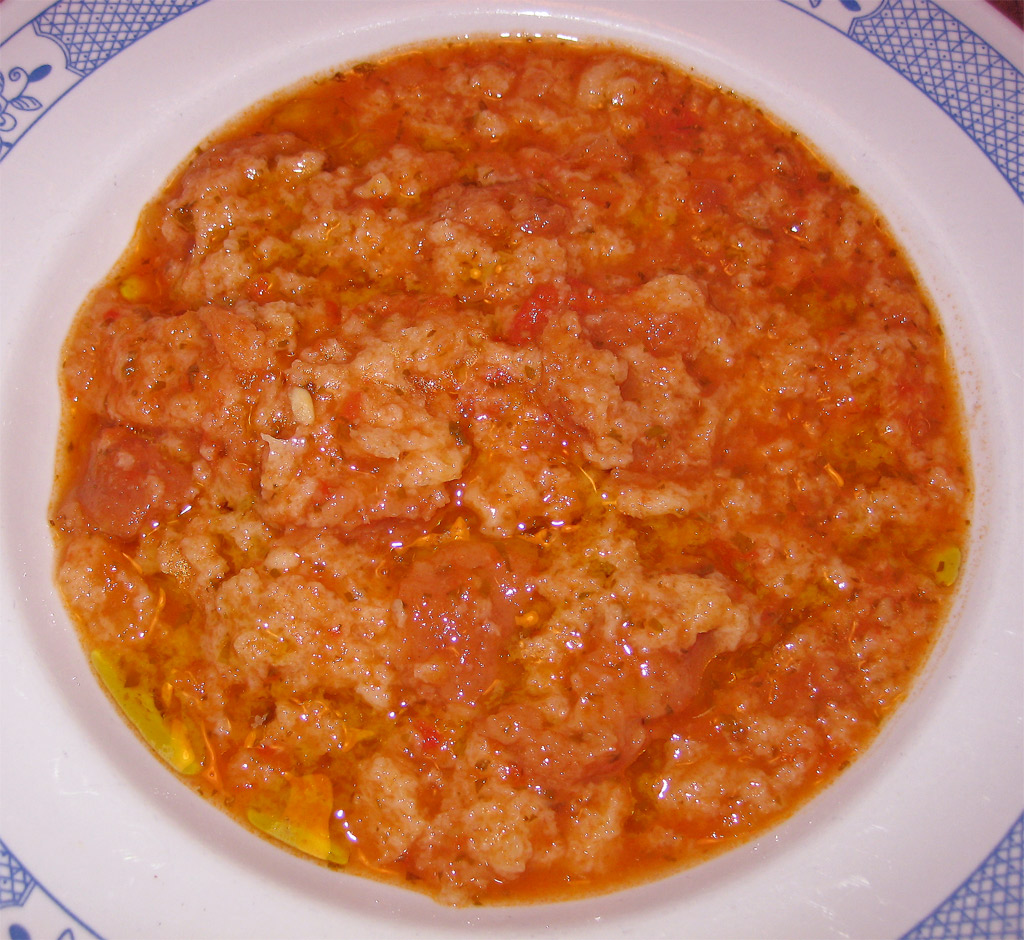
Photographers: light tripod yes, drone no — banned and disruptive anyway. Hold small children on bridges; agree a meeting point if separated. Avoid fixed tourist menus on the 16th evening: seek osterias serving ceci pisani or salt cod. The morning after, the city is tired but beautiful: walk among wax traces, then visit the Miracoli while groups are still at hotels.
Remember Pisan June does not exhaust Pisa — it intensifies what the city already is: university town, river city, districts in friendly rivalry. Pair festivals with breakfast on Borgo Stretto, aperitivo in Piazza delle Vettovaglie and an evening Duomo visit when air cools. Then the trip is not only spectacle but encounter with real habits.
In summary
Pisan June works best with a clear calendar, early central lodging and respect for rituals that belong to locals before tourists.
- Book Lungarno or centre lodging two–three months before Luminara.
- Use the official Pisan June 2026 guide and confirm times on turismo.pisa.it.
- Walk in on the afternoon of 16 and 27 June: ZTL and crowded bridges.
- Bring non-slip shoes, water and patience for Palio and fireworks.
- Pair festivals with Miracoli, riverside walks and non-tourist menus.