Territories to explore: Pisan hills and coast
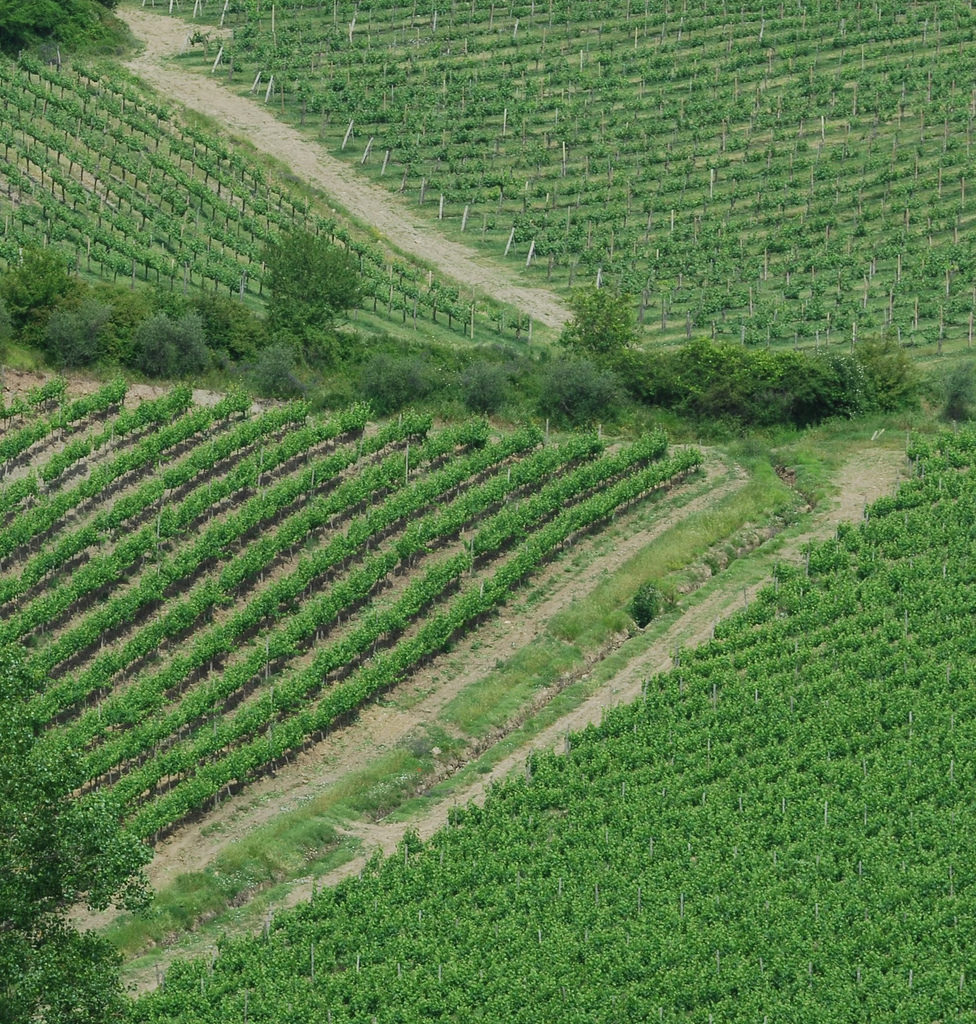
Tuscan wine around Pisa is not monolithic: a few kilometres from the historic centre, soft hills grow trebbiano, sangiovese and autochthonous varieties rarely seen on international maps. Toward Montescudaio and the Val di Cecina the landscape shifts: cypresses, ordered rows and family wineries selling direct from the farm, often with oil and honey from the same estate.
The coastal strip between Pisa, Livorno and Bolgheri adds saline whites and structured reds that made Bolgheri DOC famous. You need not be an expert: ask the producer which vintage to open and why. Many estates accept visits by appointment even at weekends, ideal if you rented a car for a day out of town.
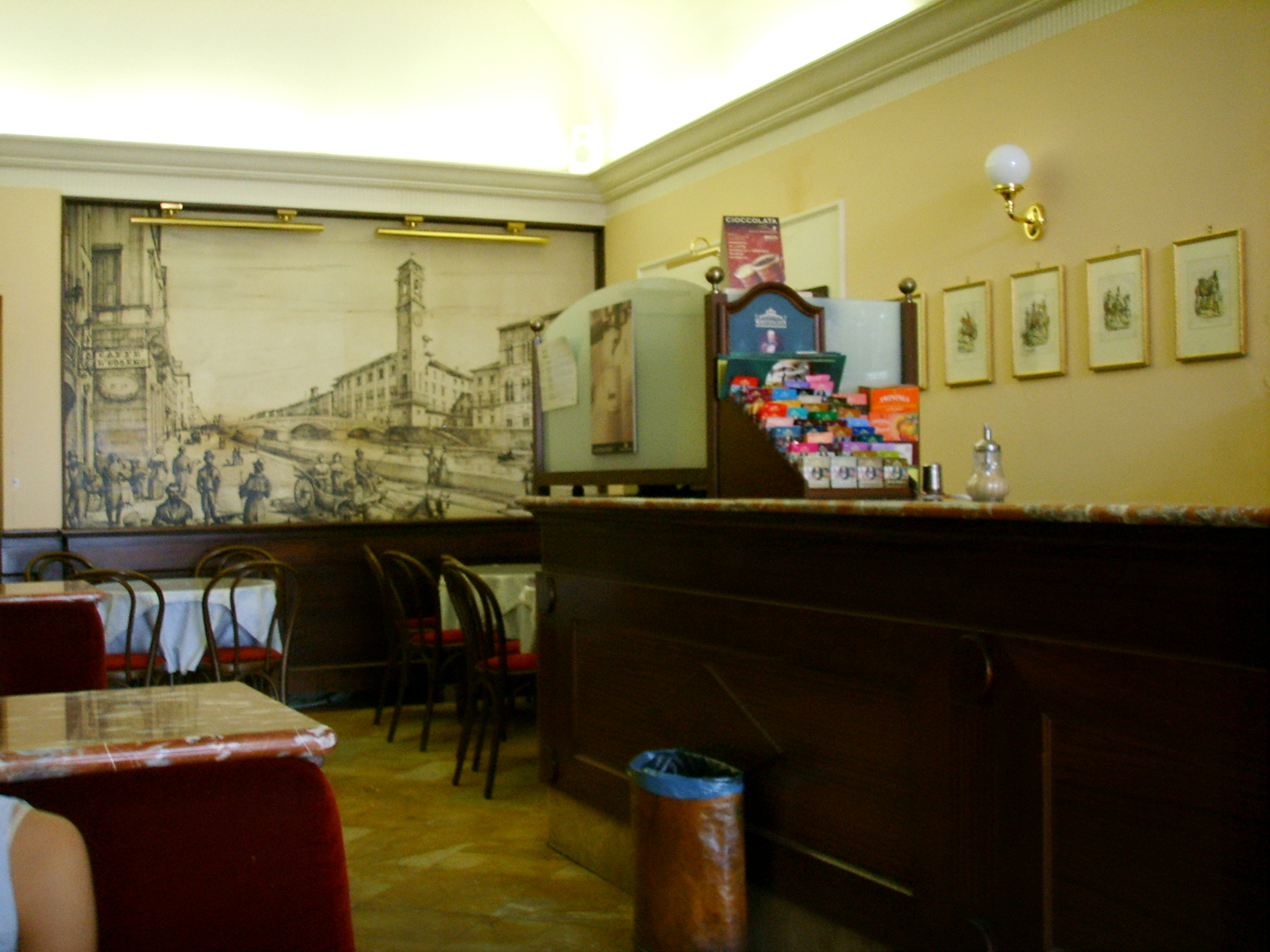
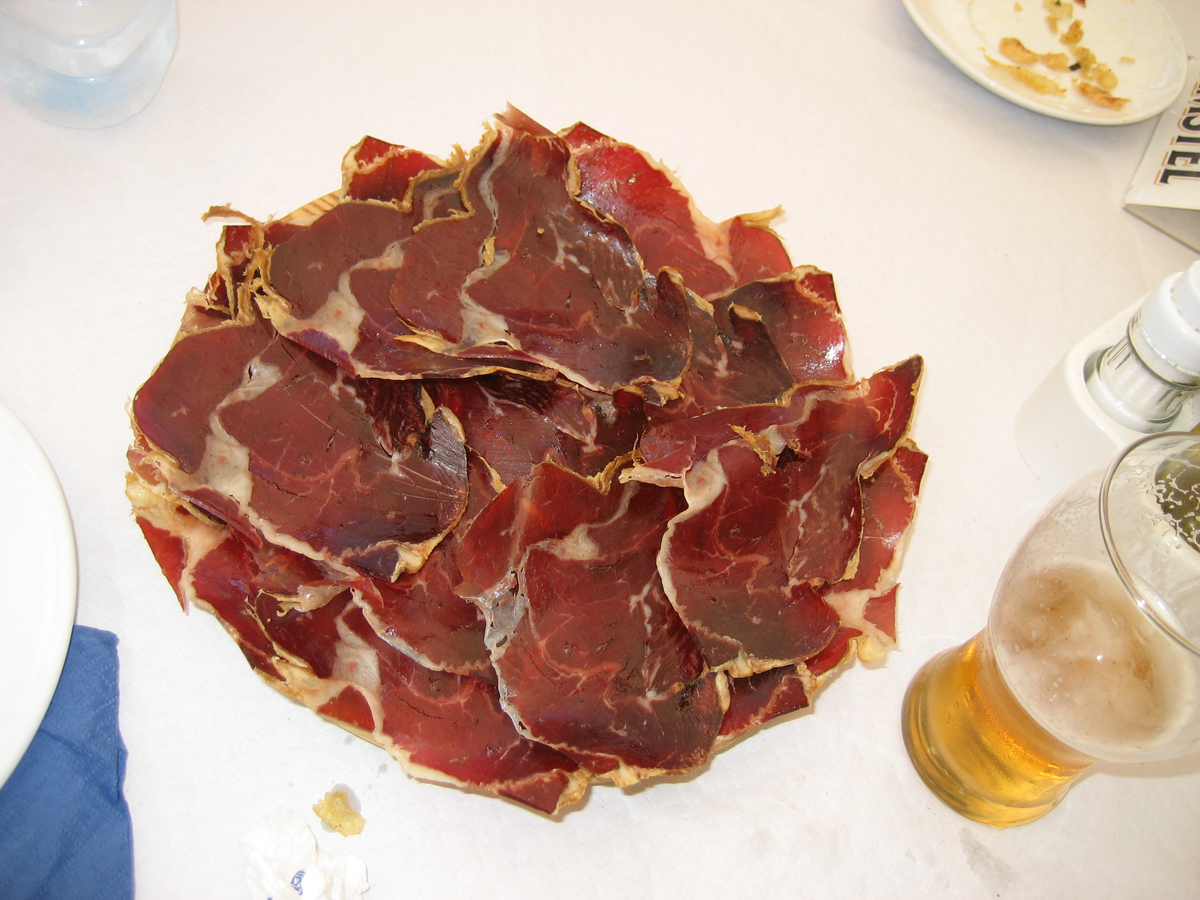
In the city, enoteche on Borgo Stretto and Piazza delle Vettovaglie pour by the glass without travelling. Perfect to orient before buying bottles for your central apartment, perhaps after shopping at Vettovaglie market for cheese and cured meats to match.
Tuscan wine near Pisa tells micro-terroirs ignored by generic guides: every hill has a family cellar and story.
Book online when possible and wear comfortable shoes: cobbles and trails need proper soles, not fashion.
Sleeping again in Pisa keeps your stay coherent: same kitchen, same balcony, new stories for dinner.
Reds, whites and rosés: what to order
Pisan and coastal whites — vermentino, ansonica, trebbiano toscano — pair with fish, chickpeas and summer vegetables. Young hill reds, often pure sangiovese or with canaiolo, stand up to lighter bistecca, wild boar and ragù pasta. Always ask the vintage: a two-year-old white may beat the latest release.
Tuscan rosato is conquering terraces: dry, fragrant, perfect for aperitivo on the Lungarno. Superiore and riserva cost more but tell micro-terroirs: worth one evening to grasp the gap with everyday table wine.
In trattorie, avoid wine lists that are purely international: prefer places offering at least three Pisan or western Tuscan labels. Value for money here often beats major tourist cities.
During harvest must scent reaches the city: proof countryside remains integral to Pisa.
Avoid turning every outing into an Instagram checklist: Tuscany rewards those who sit, watch and chat with baristas, drivers and market sellers.
Western Tuscany moves differently from Florence: fewer queues, more silence, baristas remembering your order on day two.
Recommended wineries and tastings
Half a day in a winery means leaving Piazza dei Miracoli and seeing real Tuscany: white roads, silence, must scent in autumn. Many offer one-hour tours with four glasses and explanation of the winemaking cycle — book ahead during harvest.
Without driving, consider food-and-wine tours combining cellar and farmhouse lunch: often including transport from Pisa Centrale or an agreed meeting point. Budget alternative: train to Cecina or Livorno and a cellar reachable by shared taxi.
At home, store bottles away from heat and light: many historic flats have cool cellars under stairs. Opening a red an hour before dinner and serving slightly chilled in summer makes huge difference without sommelier gear.
Keep label and producer note: reopening that bottle at home extends the trip.
Keep tickets and timetables on your phone plus an offline screenshot: mobile signal fails in pine forest and hill towns.
Photograph but leave room for surprise: a lane, a market, a scent may become the main memory.
Pairings with Pisan cuisine
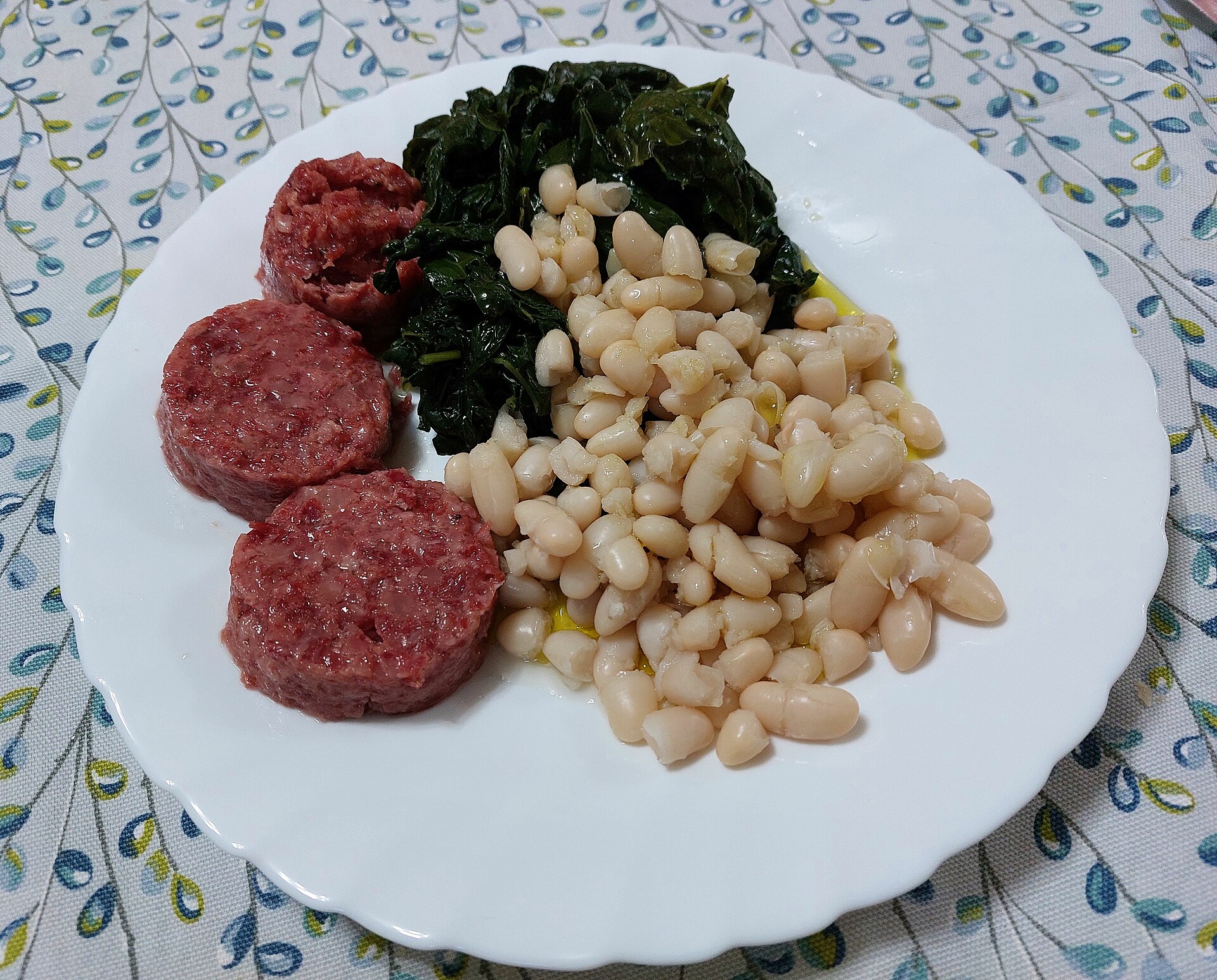
Local cooking — chickpeas, salt cod, octopus, torta coi bischeri — wants honest wine, not trophy labels. A structured white supports mantecato baccalà; a medium red accompanies roast pork and mushrooms. After dinner, vin santo with cantucci closes the classic Tuscan evening.
For evening street food, see our Il Montino pizzeria guide: often a light white glass or craft beer suffices. Wine enters the long generous Sunday family lunch, not breakfast.
Take home a bottle chosen with the producer: the most useful souvenir beyond a fridge magnet. Reopening that label on a return visit to Pisa creates emotional continuity no tour operator sells.
Pisa works as a perfect hub because Tuscan distances are measured in hours, not full days: morning train, slow exploration, evening return with energy for a Lungarno stroll.
Travelling with children, plan gelato breaks and lawns: trip quality is measured in humanity, not monuments ticked.
In summary
Tuscan wine near Pisa unfolds in hills, centre enoteche and at table: slowness, terroir and honest glasses.
- Visit at least one hill winery by car or organised tour.
- Try coastal whites and Pisan hill reds.
- Ask pairings in trattorie with handwritten menus.
- Buy a bottle at market or enoteca for your apartment.
- Avoid commercial tastings with no producer link.