Why Sunday at table is sacred in Tuscany
Tuscan Sunday lunch is not a meal: it is family reunion, slow liturgy, space to discuss work, politics and football. In Pisa, a city of students and commuters, families keep the rite even when children live far: you come home, open grandfather's wine, cook for hours.
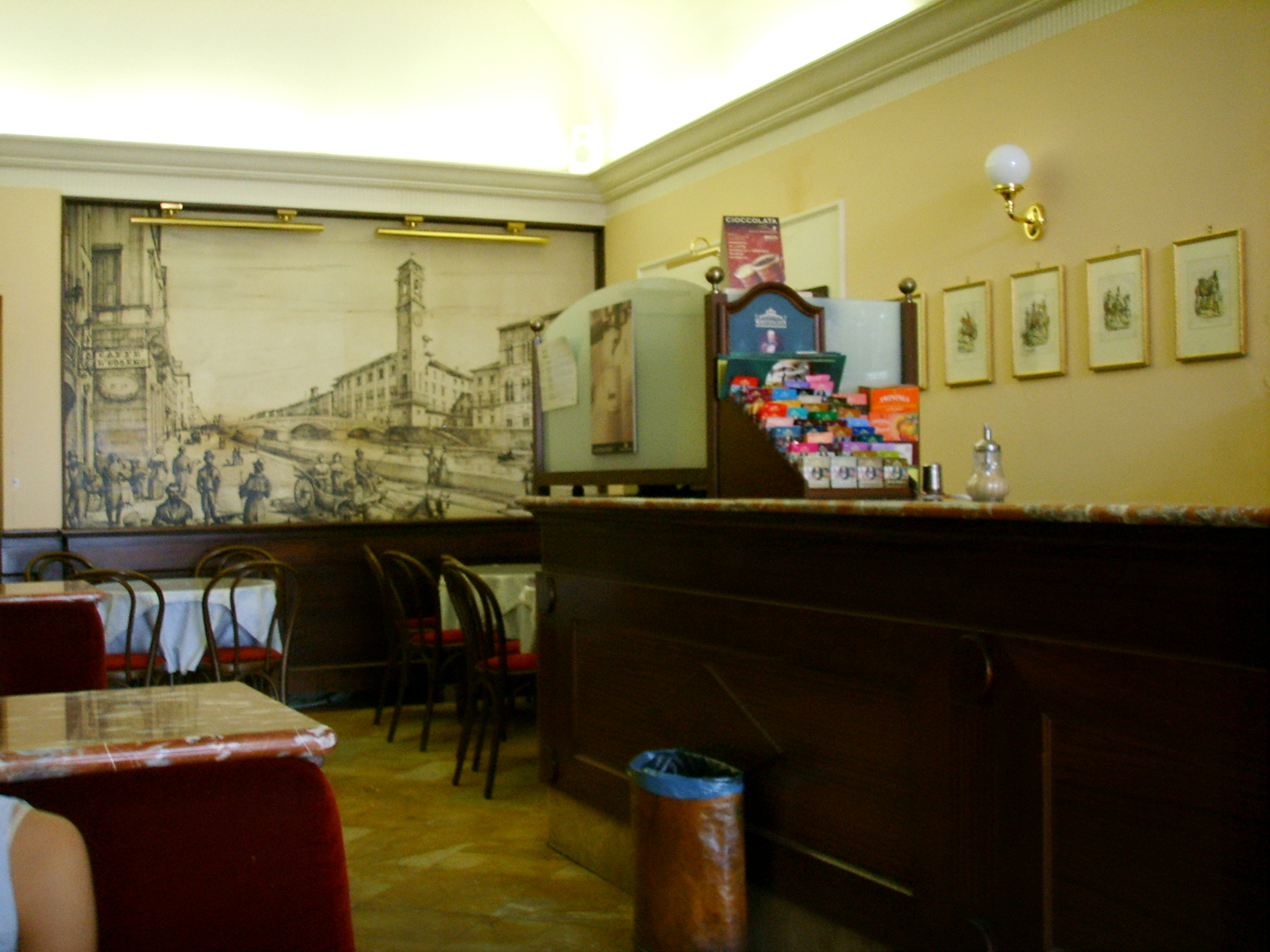
For visitors, joining this atmosphere means choosing trattorie where Sunday menus are handwritten and rooms fill with birthdays and baptisms. Avoid restaurants with trilingual photo menus and rapid turnover: Tuscan Sunday lasts from 1 pm to 4 pm, minimum.
A apartment with kitchen lets you mimic the rite: Saturday market, slow Sunday morning prep, terrace lunch over rooftops. You need not cook ten courses: two shared primi, one generous secondo, side and dessert suffice.
Sunday lunch merges secular and sacred: the table is a temporary altar celebrating belonging.
Book online when possible and wear comfortable shoes: cobbles and trails need proper soles, not fashion.
Sleeping again in Pisa keeps your stay coherent: same kitchen, same balcony, new stories for dinner.
Sunday lunch merges secular and sacred: the table is a temporary altar celebrating belonging.
Book online when possible and wear comfortable shoes: cobbles and trails need proper soles, not fashion.
Typical menu: primi, secondi and contorni
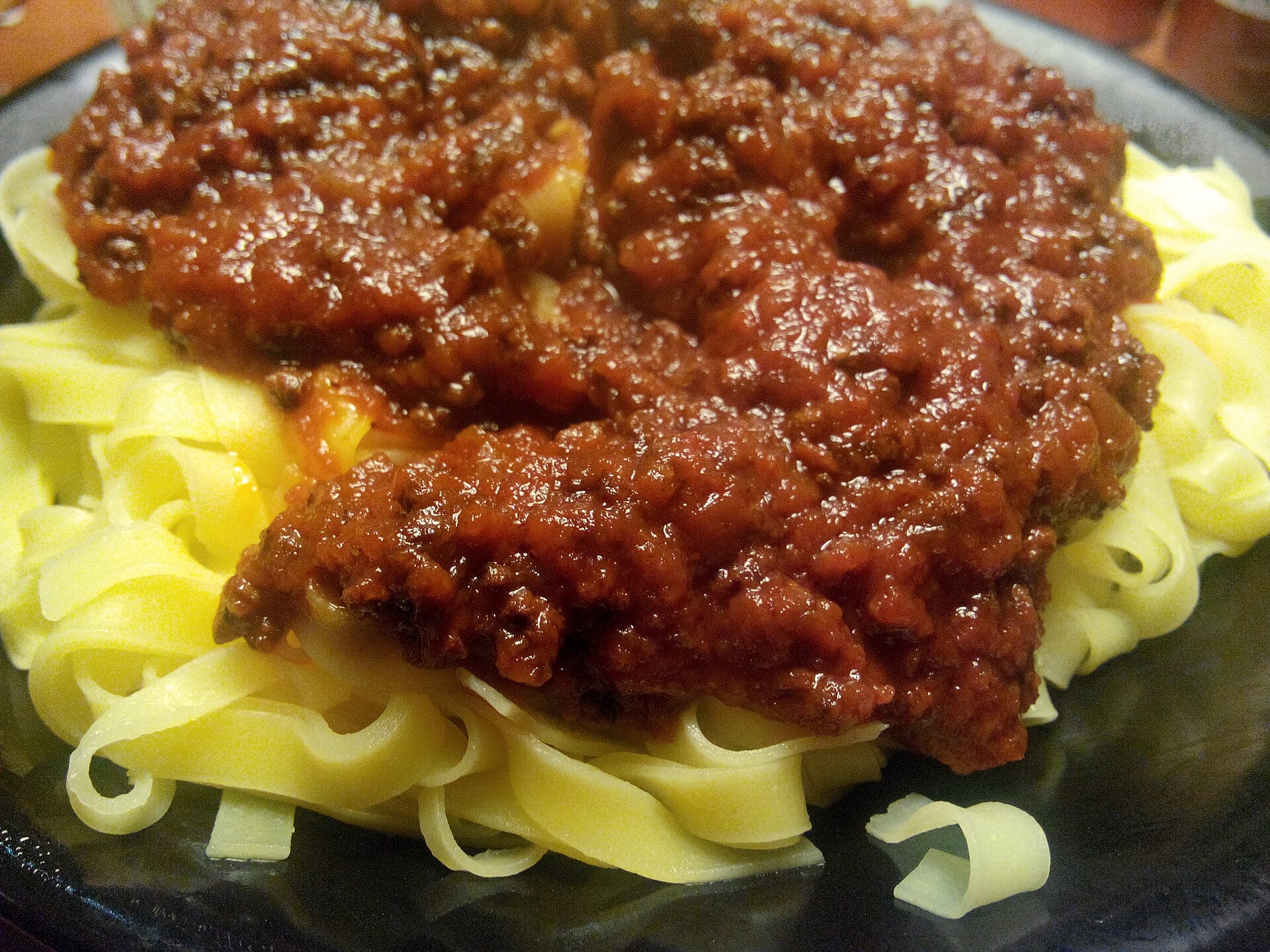
First courses dominate: pappardelle with wild boar, tagliatelle with ragù, ribollita in winter, Pisan pasta e ceci in home style. Tuscan ragù is drier than Neapolitan, scented with soffritto and red wine. Generous portions: share a primo if you order secondo.
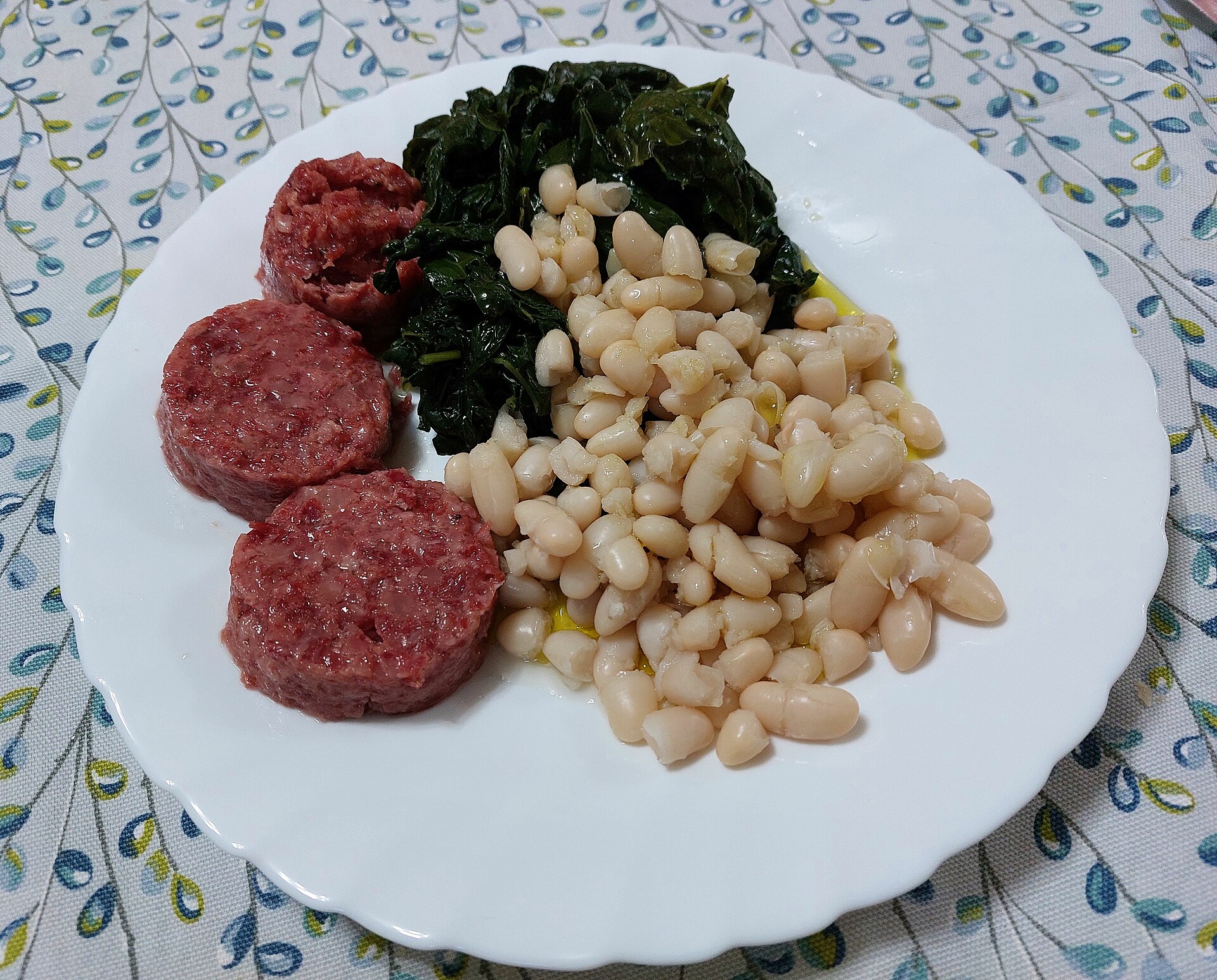
Classic secondi: roast pork, oven chicken with potatoes, stewed salt cod in maritime tradition zones. Seasonal contorni — spinach, cicoria, beans — are not optional. Tuscan unsalted bread absorbs sauces and enables scarpetta, a social gesture accepted in family.
To taste home cooking without invading private houses, seek trattorie like Osteria Il Campano or similar family-run spots in the historic centre.
Bring appetite and patience: dishes arrive when ready, not when the stopwatch says.
Avoid turning every outing into an Instagram checklist: Tuscany rewards those who sit, watch and chat with baristas, drivers and market sellers.
Western Tuscany moves differently from Florence: fewer queues, more silence, baristas remembering your order on day two.
Bring appetite and patience: dishes arrive when ready, not when the stopwatch says.
Wine, sweets and coffee: closing the meal
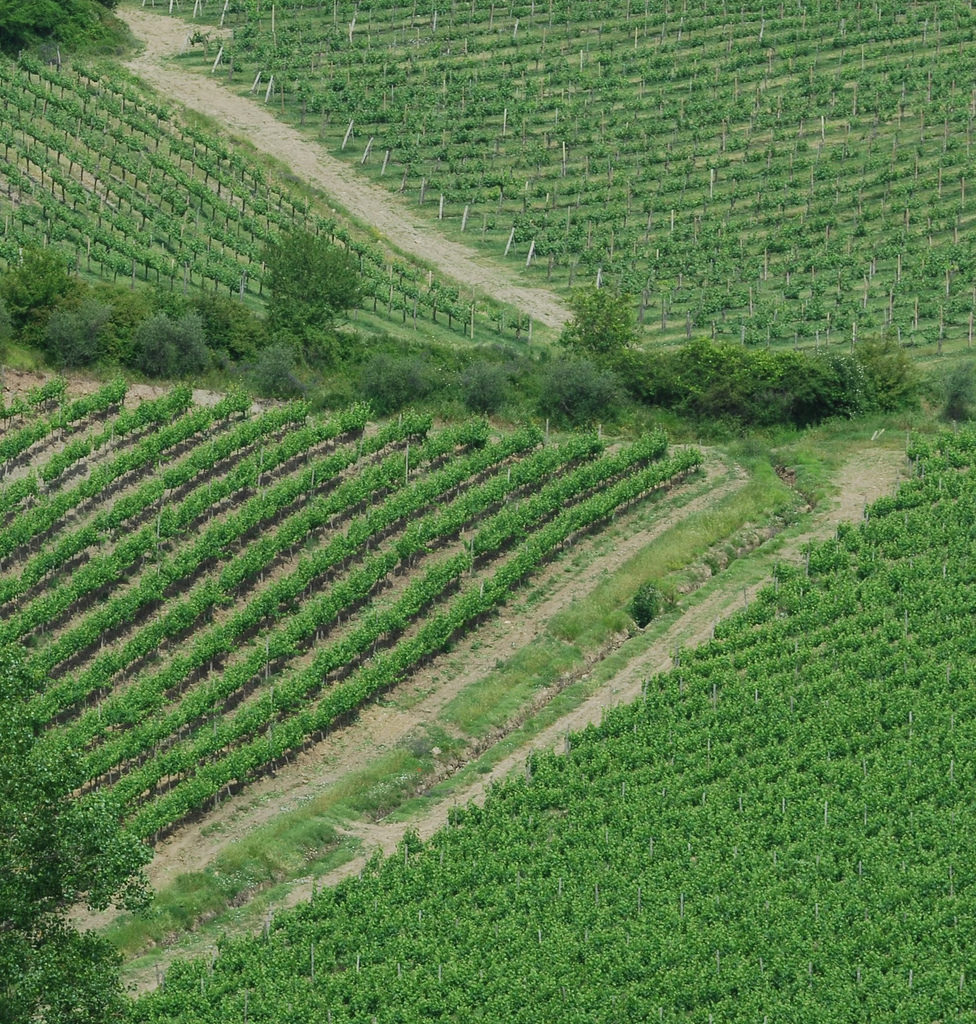
Table red flows freely but with moderation: carafes of hill chianti or Pisan colline wine. After dessert — grandmother's cake, cantucci, jam crostata — espresso arrives and, for traditionalists, vin santo or grappa as ammazzacaffè.
Sunday digestivo walks often head toward Miracoli lawn or the Lungarno: whole families, grandparents with grandchildren, bikes and gelato. Watching this flow teaches more than a museum.
If eating out, book by Thursday for Sunday: authentic venues have limited seats and dislike rapid turnover. Arrive on time but unhurried: Sunday rewards those who stay.
Thank whoever cooks: in Tuscany food is gift, not impersonal service.
Keep tickets and timetables on your phone plus an offline screenshot: mobile signal fails in pine forest and hill towns.
Photograph but leave room for surprise: a lane, a market, a scent may become the main memory.
Thank whoever cooks: in Tuscany food is gift, not impersonal service.
Sunday in Pisa for visitors: practical tips
Many shops close Sunday morning; supermarkets reduce hours. Plan Saturday shopping at Vettovaglie market if cooking in.
With children, family trattorie work best: adaptable portions, tolerant atmosphere. Ask for half portions or mixed plates: Pisans understand.
Tuscan Sunday near Pisa merges food, family and slowness. Join at least once: you will grasp why Tuscany sells itself with endless tables and why returning to Pisa often means returning to the same trattoria with time stopped.
Pisa works as a perfect hub because Tuscan distances are measured in hours, not full days: morning train, slow exploration, evening return with energy for a Lungarno stroll.
Travelling with children, plan gelato breaks and lawns: trip quality is measured in humanity, not monuments ticked.
Always ask «what would you do on Sunday?» at the bar or host: answers beat any printed guide.
Pisa works as a perfect hub because Tuscan distances are measured in hours, not full days: morning train, slow exploration, evening return with energy for a Lungarno stroll.
In summary
Tuscan Sunday lunch is a slow family rite of wine and generous plates. Book trattoria or cook in apartment with market shopping.
- Book trattoria by Thursday for Sunday.
- Share primi and order seasonal contorni.
- Saturday market shop if cooking.
- Digestive walk to Miracoli or Lungarno.
- Avoid trilingual tourist menus.