Walking Pisa: the most sustainable choice
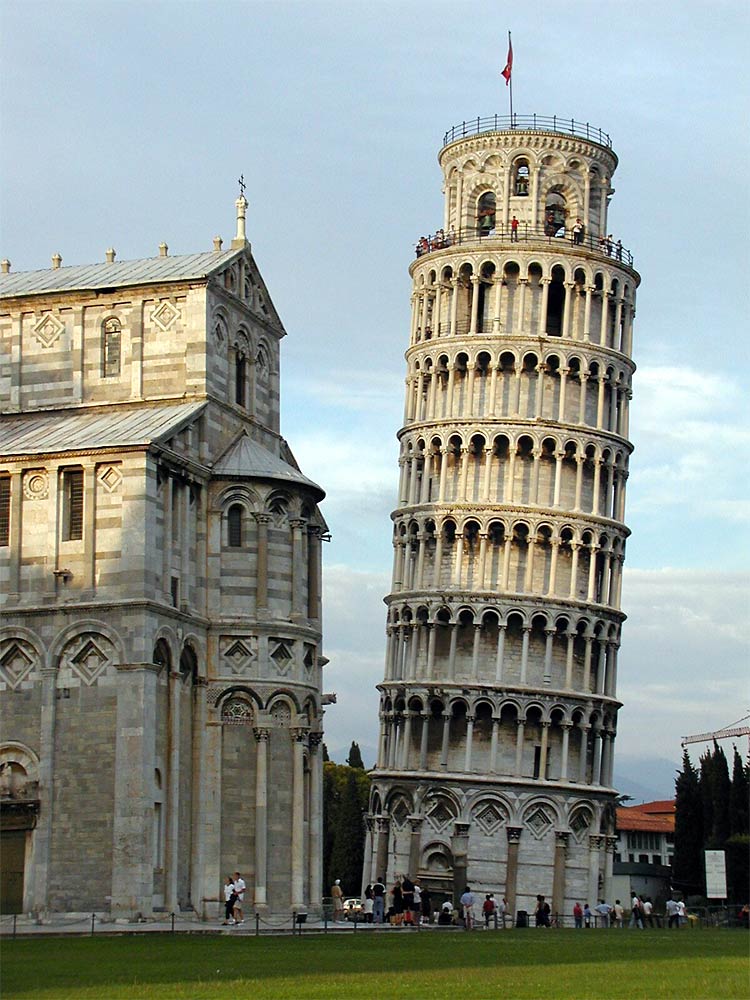
Pisa suits slow tourism better than most mid-sized Italian cities: the historic core is compact, the Miracoli twenty minutes on foot from the station, and crossing the Arno on historic bridges costs zero emissions while delivering views no bus matches. Walking is not merely green — it is the smartest way to catch architectural details, workshops and bakery scents missed by those sprinting from car park to monument.
Comfortable shoes on cobbles, refillable bottle at public fountains, a light paper or offline phone guide: that is ideal kit. Avoid the Miracoli-station stretch at midsummer noon; favour morning and late afternoon. Guests in a historic-centre apartment eliminate daily car trips entirely and find the city reads better at human pace.
Recommended loops include the Lungarno-Miracoli-Borgo Stretto ring and Sant'Anna quarter with murals and independent venues. Every kilometre walked is one less of congestion in narrow lanes where residents welcome visitors who do not block pavements with bulky transport.
Bikes, trains and soft mobility
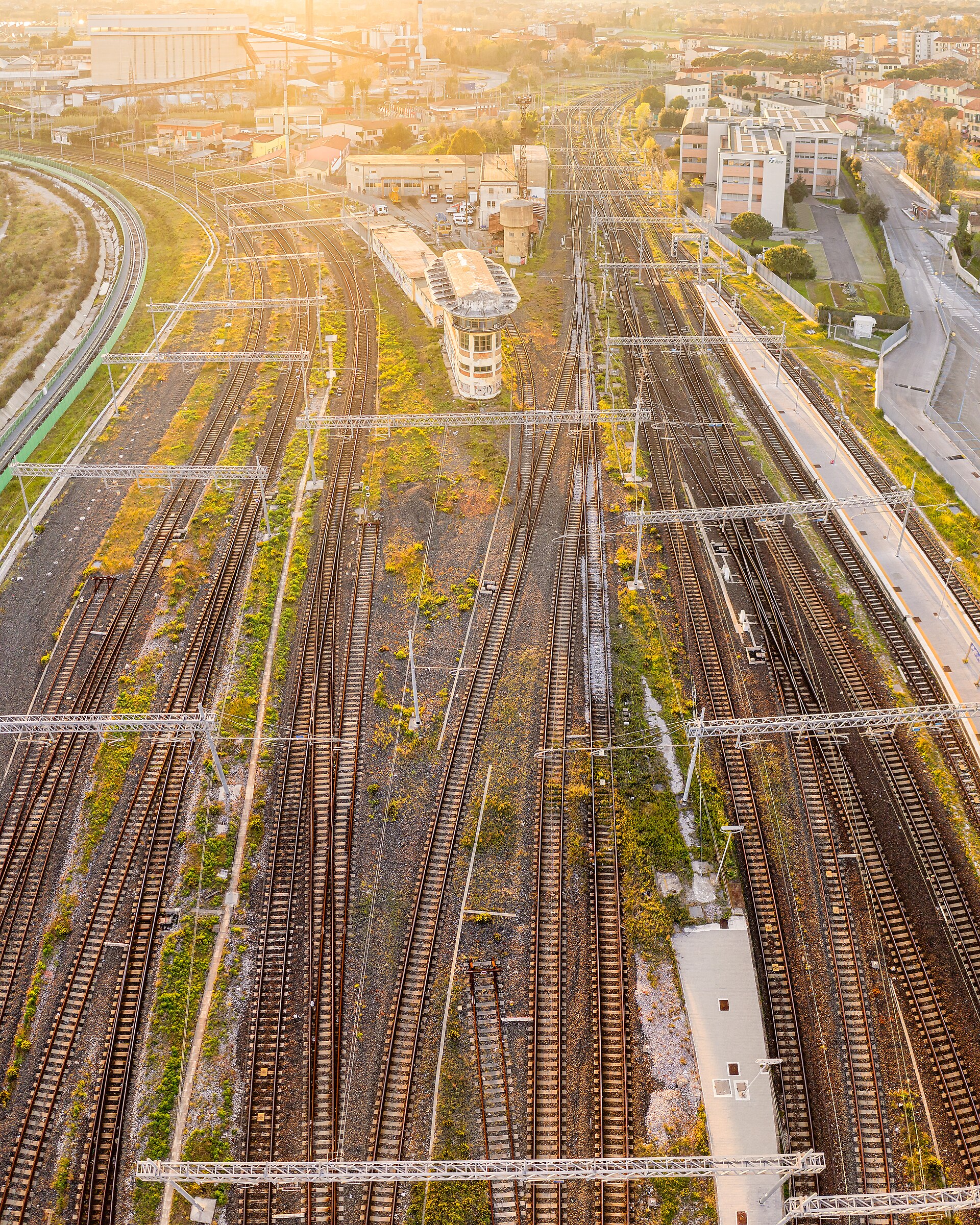
Pisa shares Tuscan cycling culture with paths along the Arno and toward the coast; a day bike hire links city and sea without a car. Mind pedestrian zones and the ZTL: cycling is allowed in many areas yet pedestrian respect is essential. For Val di Cecina or Lucca, regional trains from Pisa Centrale run often, cheaply and far more sustainably than hiring a car for a day trip.
Electronic tickets and day passes simplify hops; students and residents ride through winter when weather allows. If you fly in, connect via PisaMover then walk or cycle — skip the rental car "for convenience" unless exploring remote countryside.
See getting around Pisa to integrate CPT buses when fatigue or rain suggests a ride. Soft mobility is not purism: match the tool to the trip, always favouring lower impact when timing allows.
Eating local: short supply chains and responsible trattorias
Sustainable travel passes through the table. Markets such as Vettovaglie offer short-chain products: hill olive oil, pecorino, Arno and nearby sea fish. Trattorias with handwritten menus that shift with seasons support local economy and cut waste. Cecina at Il Montino or salt cod in historic osterias are not mere food icons — they are dishes rooted in territory.
Avoid fixed tourist menus with industrial plates and single-use plastic drinks when you can sit where Pisans lunch. Bring a bottle: many bars refill water if asked politely. Leftovers return to your lodging — another apartment advantage over hotel rooms.
Ask your host about visitable producers and wineries for day trips: San Miniato for truffle, hills for wine. Responsible food tourism means fewer busloads to factory outlets and more spend in rural communities around Pisa.
Heritage respect and mindful behaviour
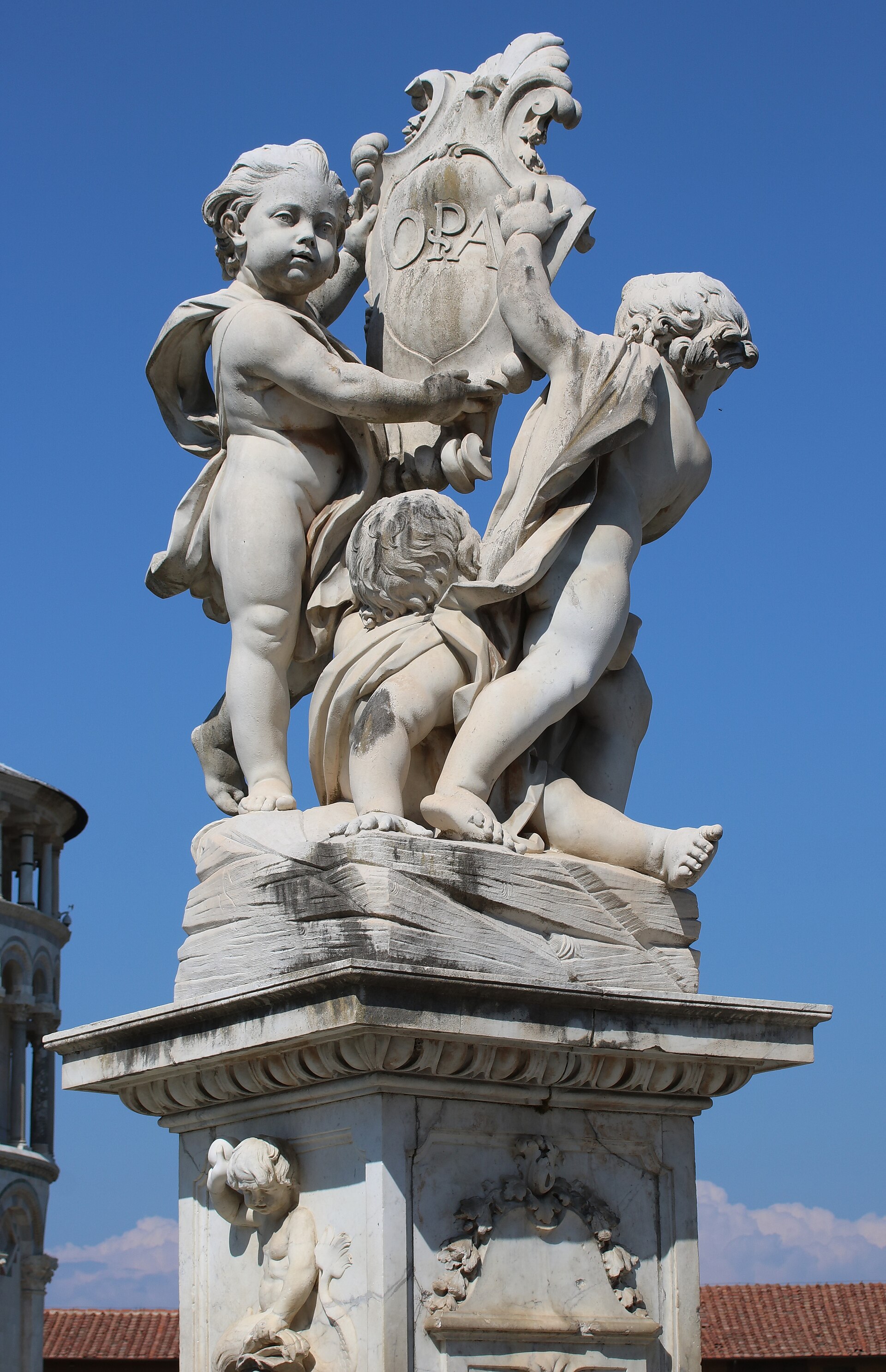
Piazza dei Miracoli is UNESCO heritage: no picnics where forbidden, no climbing medieval walls, respect Tower queues and rules. Cultural sustainability means leaving the site intact for those who follow. Photos yes, but no unauthorised drones or blocked passageways.
Cut plastic and paper: digital tickets, phone audioguides, reusable market bags. Prefer lodging that states eco cleaning and waste practices — more Pisa hosts do so without flashy greenwashing. Report vandalism to staff: the Leaning Tower is fragile not only in marble but in balance between tourist flows and local life.
Finally, extend your stay when possible: two nights impact less per capita than day-trip coaches dumping thousands without overnight spend. Pisa deserves time, and the region gains when you sleep, dine and shop here rather than on an express tour from Livorno.
Bring a reusable bottle: in summer public fountains cut plastic water and save euros. Many Pisa museums accept smartphone tickets — less printed paper at the desk.
When booking tours, choose licensed guides who cap group size and respect quiet hours in churches. Sustainable tourism starts with the quality of information you pay for.
Pisa is flat and bike-friendly for beginners, yet wear a helmet and use lights at dusk along the Arno. Following road rules protects visitors' reputation among residents too.
Short-chain eating does not mean luxury organic only: the neighbourhood trattoria with two daily dishes is often more authentic and sustainable than a photographed five-language menu with imported ingredients.
In summary
Visiting Pisa sustainably means walking, using trains and bikes, eating locally and respecting heritage — aware that every choice leaves a footprint.
- Explore the centre on foot: short distances, zero emissions.
- Use train and bike for day trips; avoid unnecessary ZTL driving.
- Shop at market and eat seasonal trattoria menus.
- Respect UNESCO rules and reduce single-use plastic.
- Stay overnight to spread tourism impact more fairly.