Spring and autumn: Pisa's golden window
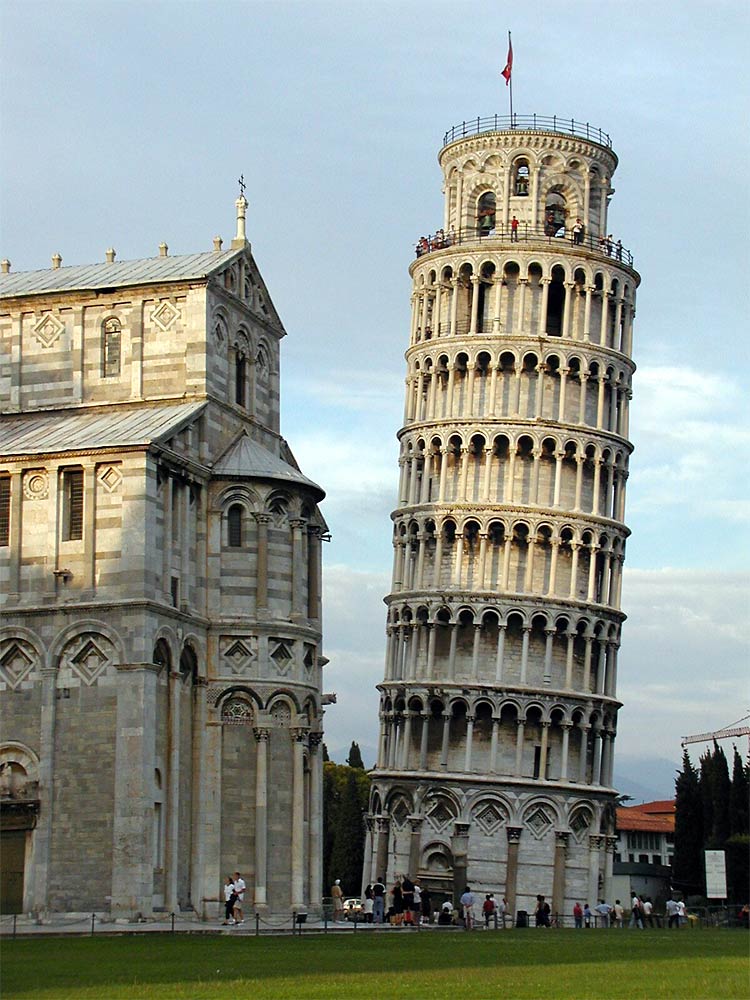
Pisa shifts character with the seasons, and careful planners find April-May and September-October golden months: mild temperatures, oblique light warming the marble of Piazza dei Miracoli, shorter queues and lodging prices often fairer than the summer peak. In spring, cherry trees bloom along the Arno, students fill Borgo Stretto bars and the city balances tourism with everyday life.
Autumn brings a contemplative mood: light morning mist, harvest in surrounding hills, markets with mushrooms and chestnuts. It is ideal for Lungarno walks without oppressive heat and for museums such as Palazzo Blu with quieter rooms. Photographers seeking crowd-free shots find the square almost empty at dawn in October, when the leaning campanile mirrors in lawn dew.
In both shoulder seasons, book Tower climbs a few days ahead, but rarely weeks as in July. Check the university calendar too: during exam sessions venues stay open but nightlife is calmer; in June the city pulses with graduations and riverside parties.
Summer: sun, nearby sea and anti-crowd tactics
Summer draws peak tourism: coaches queuing for the Miracoli, temperatures often above thirty degrees, yet also long riverside evenings and the chance to pair Pisa with half a day at Marina di Pisa or Tirrenia, reachable by bus or bicycle. The key is reversing your schedule: rise early for the Tower and Baptistery, rest in afternoon heat, head out again after seven when stone stops burning your feet.
August concentrates Italian holidaymakers and some shop closures, but also Lungarno events and the Regata of San Ranieri in June, when the river becomes a theatre of lights and maritime tradition. If you can choose, avoid mid-August weekends on the square; prefer Tuesday or Wednesday for monuments and save Sunday for Lucca or the Val di Cecina, where green hills offset the heat.
To sleep well in summer, air conditioning and an inward-facing lane matter more than a square view: tourist groups can be loud until late. Browse our apartments in the historic centre and read summer reviews about quiet and cooling.
Winter: soft light, lower prices and silence
From November to February Pisa is not the beach destination many seek — an advantage for museum lovers, café dwellers and slow conversation. Days are short yet often clear skies deliver exceptional photographic light on white marble; Camposanto and Cathedral visits feel unhurried, and average lodging rates drop sharply from June levels.
Christmas and New Year bring discreet lights and small markets; January is the quietest month, perfect for remote workers wanting an affordable Tuscan base. Note reduced church hours and rain possibilities: pack an umbrella and shoes suited to wet cobbles. Pisan winter is milder than the north, yet riverside humidity is real.
If your goal is depth rather than a quick photo, winter rewards patience. Pair it with a guide on getting around Pisa for walking and buses without surprises, and spend time in Sant'Anna and San Martino, where student life continues regardless of tourist season.
Events, holiday weekends and dates to mark
Certain dates concentrate visitors and raise rates: Gioco del Ponte (last Sunday of June), Luminara of San Ranieri (16 June), Palio of San Ranieri (17 June) and Easter weekends. Book lodging and tickets well ahead if you wish to attend: the atmosphere is unique — thousands of candles reflected on the Arno — yet the city becomes a maze of barriers and crowds.
Long weekends on 25 April, 1 May and 2 June turn Pisa into a base for Tuscan day trips; the station overcrowds and trains to Florence and Lucca require patience. Better to stay in town and explore lesser-known corners such as Santa Maria quarter or the Museo delle Sinopie. Jazz lovers often find festivals and concerts in historic venues during November.
Before fixing dates, cross-check weather, events and budget: a mid-September Tuesday may deliver more authentic Pisa than a July Saturday. Remember Tower and Baptistery hours shift seasonally: always verify the official site the month before travel.
Travelling with children? Spring and autumn make Miracoli lawns and parks easier; in summer pack hats and a mid-morning gelato break. University students fill venues October through May — for authentic nightlife, avoid August when many bars close.
In summary
There is no single perfect moment for Pisa — only the season that fits your style: summer crowds and sea, spring blossom, autumn harvest or winter intimacy.
- Spring and autumn offer ideal weather, photographic light and shorter Miracoli queues.
- In summer visit monuments early and choose cool, quiet lodging.
- Winter rewards museum lovers with lower prices and intimate atmosphere.
- Book ahead or avoid peak events such as Luminara and Gioco del Ponte.
- Match dates with local transport using practical mobility guides.