Leaving «monument checklist» mode
Living like a local in Pisa means reversing priorities: not how many sights you tick off, but how much time you spend observing. Pisans do not climb the Leaning Tower every week — they see it from the window on the way to work. Their Pisa is markets, regular bars, Sunday river walks and football talk.
Copying this rhythm needs at least four nights and central lodging. Apartments in the historic centre with kitchens allow slow breakfasts, market shopping and evening returns without buses. The city is small enough for the same daily route to feel natural: Borgo in the morning, Arno at sunset.
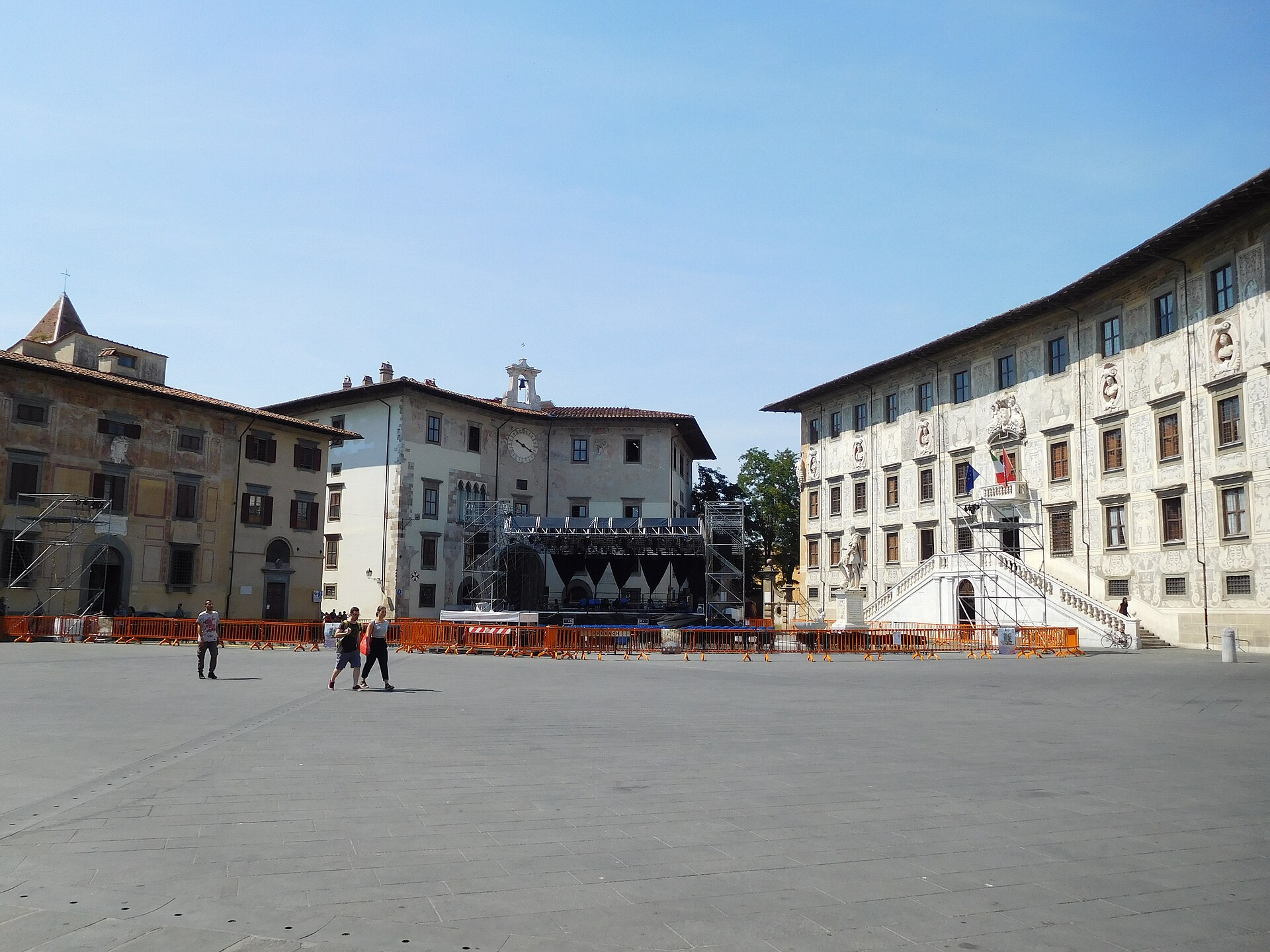
Switch off map notifications for a few hours daily. Get deliberately lost between Borgo Stretto and Piazza dei Cavalieri: inhabited Pisa hides in corners without tourist signs.
Going deeper into Leaving «monument checklist» mode also means connecting it with the wider centre: Piazza dei Miracoli remains the visual anchor, yet Pisa is understood best by crossing monuments, Borgo Stretto and the rhythms of the Vettovaglie market. Guests in a central apartment can revisit the same route and notice architectural details, inscriptions and workshops missed the first time. Pisan culture rewards slow repetition more than a rushed checklist.
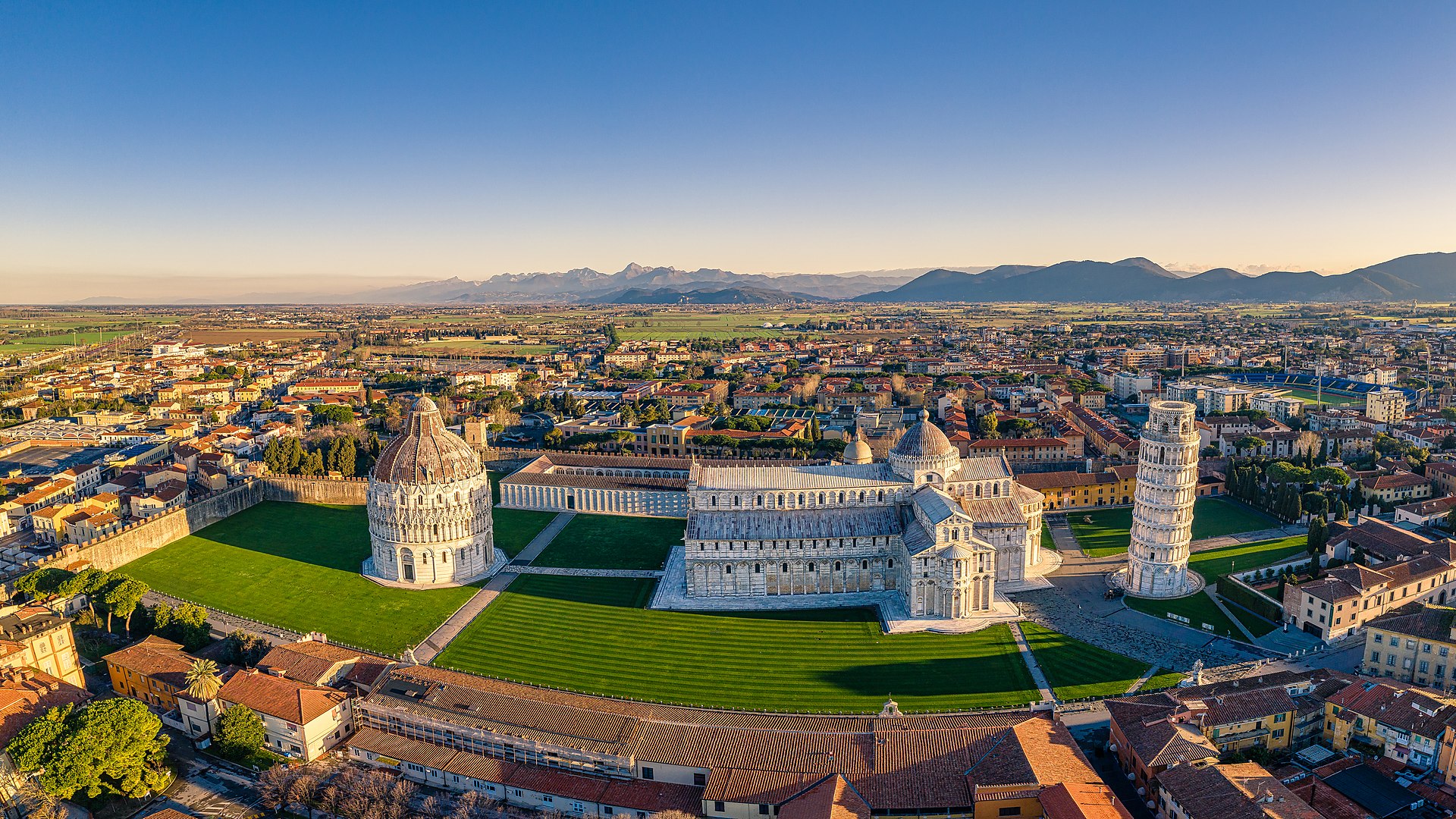
Before closing the day, check getting around Pisa and any special closures during Giugno Pisano. A practical tip: always alternate crowded sites — such as the Leaning Tower — with quiet corners like Giardino Scotto or an exhibition at Palazzo Blu. Your stay keeps a human pace and travel memory does not shrink to a single iconic photo.
Weekly rituals: market, coffee, stroll
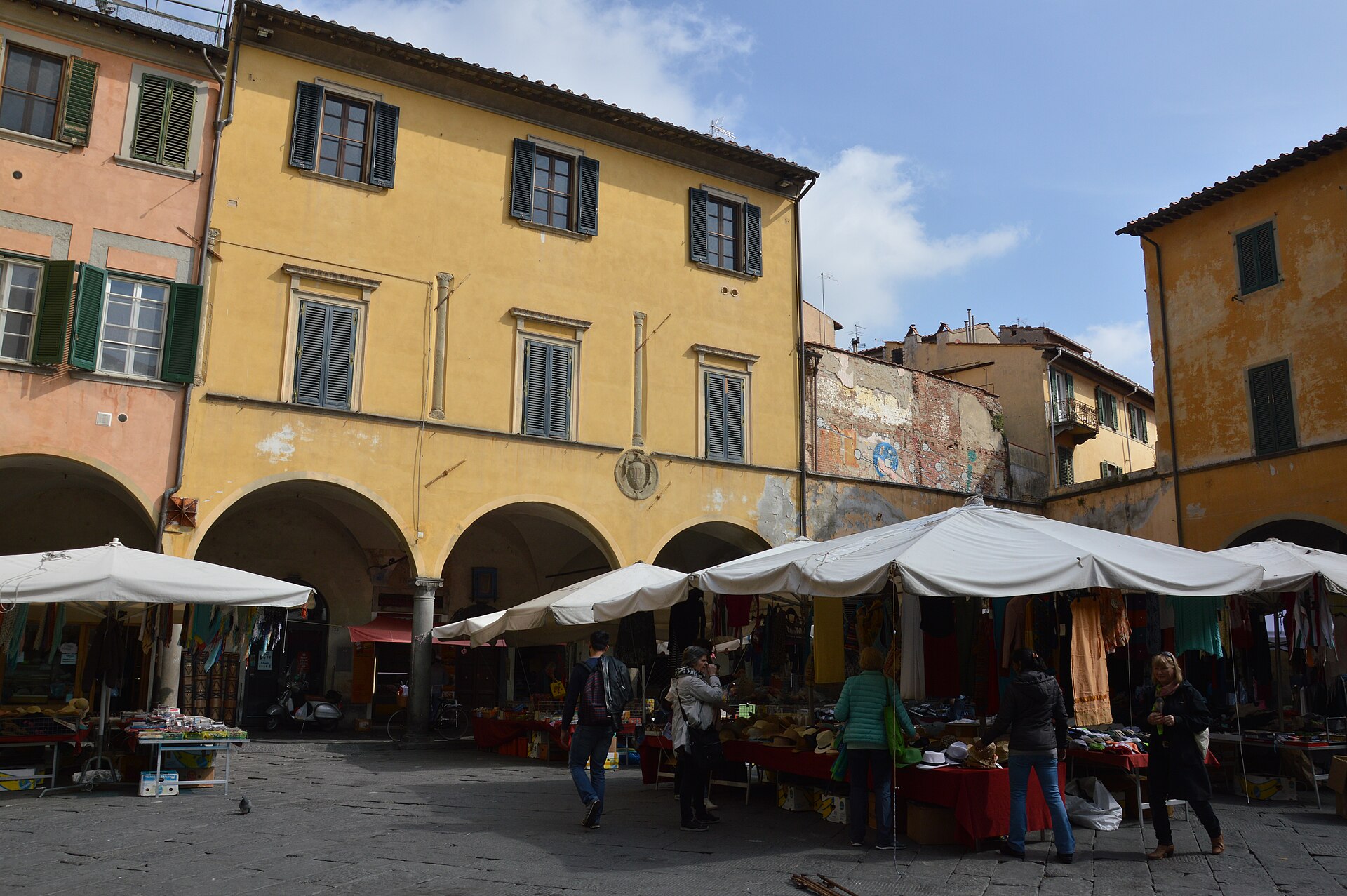
The Vettovaglie market is the social heart of the centre: Tuesday and Saturday mornings, stalls of vegetables, cheese, fish and flowers. Shopping here is conversation with vendors who know customers for decades. Bring a foldable bag and coins.
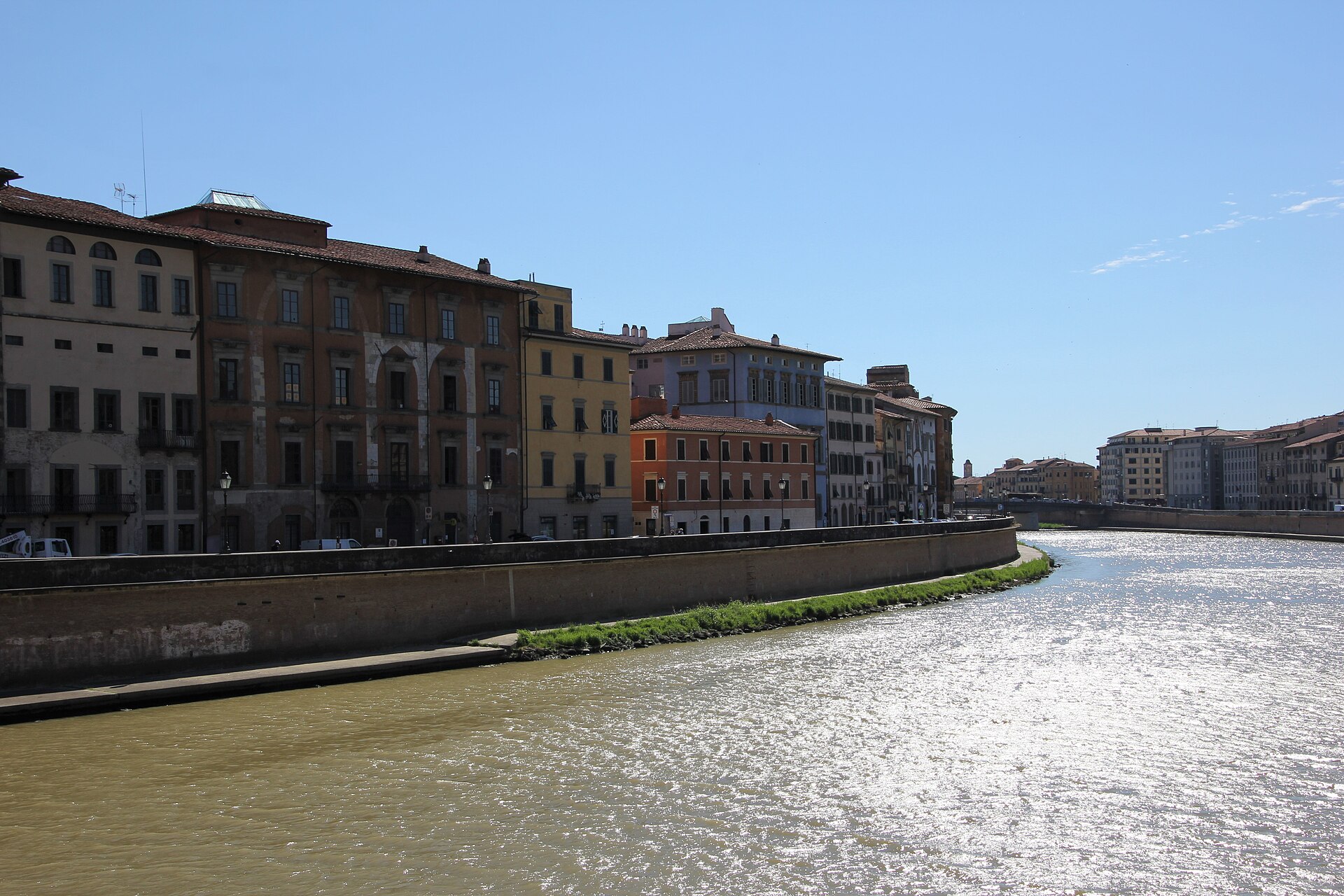
Counter coffee remains non-negotiable ritual: quick espresso, brioche, two minutes of gossip. Choose the same bar three mornings running and staff will recognise you — small sign of belonging. Afterwards, a short walk to the embankment to check Arno water level, eternal Pisan topic.
Sunday afternoon many Pisans walk to Giardino Scotto or along the walls. Join without aim: benches, playing children, elders in sun. Popular culture, not an entry ticket.
Going deeper into Weekly rituals: market, coffee, stroll also means connecting it with the wider centre: Piazza dei Miracoli remains the visual anchor, yet Pisa is understood best by crossing monuments, Borgo Stretto and the rhythms of the Vettovaglie market. Guests in a central apartment can revisit the same route and notice architectural details, inscriptions and workshops missed the first time. Pisan culture rewards slow repetition more than a rushed checklist.
Before closing the day, check getting around Pisa and any special closures during Giugno Pisano. A practical tip: always alternate crowded sites — such as the Leaning Tower — with quiet corners like Giardino Scotto or an exhibition at Palazzo Blu. Your stay keeps a human pace and travel memory does not shrink to a single iconic photo.
Neighbourhoods across the Arno and evening habits
San Martino, Sant'Antonio and Porta a Mare offer residential Pisa: bakeries, parks, bars where English is not the default. Crossing Ponte di Mezzo south reveals the city absent from postcards. Dinner in neighbourhood trattoria with handwritten menu and regulars.
Evening aperitivo is common among young and families. More Pisan alternative: gelato along the embankment and chat. During Giugno Pisano locals go out more — follow local calendars not generic lists.
Getting around Pisa like a resident favours feet and bike. Cars downtown are stress; park outside the ZTL and walk twenty minutes like residents do.
Going deeper into Neighbourhoods across the Arno and evening habits also means connecting it with the wider centre: Piazza dei Miracoli remains the visual anchor, yet Pisa is understood best by crossing monuments, Borgo Stretto and the rhythms of the Vettovaglie market. Guests in a central apartment can revisit the same route and notice architectural details, inscriptions and workshops missed the first time. Pisan culture rewards slow repetition more than a rushed checklist.
Before closing the day, check getting around Pisa and any special closures during Giugno Pisano. A practical tip: always alternate crowded sites — such as the Leaning Tower — with quiet corners like Giardino Scotto or an exhibition at Palazzo Blu. Your stay keeps a human pace and travel memory does not shrink to a single iconic photo.
Tourist mistakes and how to avoid them
Always eating near the Miracoli, buying identical souvenirs, rushing between stops: three mistakes keeping you spectators. Seek bakeries and pastry shops locals use, not neon signs. Lunch where workers break, not only tourists with backpacks.
Do not plan every hour: leave half a day free to sit in a square and read. Piazza dei Miracoli deserves a visit and a second pass at night without ticket — just looking.
Talk to shopkeepers and baristas with genuine curiosity: many know neighbourhood stories no app translates. Living like a local means listening, not accumulating photos.
Going deeper into Tourist mistakes and how to avoid them also means connecting it with the wider centre: Piazza dei Miracoli remains the visual anchor, yet Pisa is understood best by crossing monuments, Borgo Stretto and the rhythms of the Vettovaglie market. Guests in a central apartment can revisit the same route and notice architectural details, inscriptions and workshops missed the first time. Pisan culture rewards slow repetition more than a rushed checklist.
Before closing the day, check getting around Pisa and any special closures during Giugno Pisano. A practical tip: always alternate crowded sites — such as the Leaning Tower — with quiet corners like Giardino Scotto or an exhibition at Palazzo Blu. Your stay keeps a human pace and travel memory does not shrink to a single iconic photo.
Further depth and cultural connections
Living like a local also means respecting unwritten rules: quiet after 11 pm in historic palaces, not blocking lanes with luggage, greeting stair neighbours. These micro-norms keep balance between tourism and community.
Learn three useful words — buongiorno, grazie, arrivederci — and use them always. Tuscan courtesy opens conversations no guide replaces.
An apartment in a lived-in building teaches real rhythms better than any hotel isolated from the quarter.
In summary
Living like a local in Pisa needs time, market rituals, daily habits and neighbourhoods beyond the tourist route.
- At least four nights and central apartment with kitchen.
- Vettovaglie market, same morning bar, Sunday walk.
- Explore across the Arno for trattorias and residential life.
- Half a day free without monument checklist.