Saturday morning: Miracoli without rushing
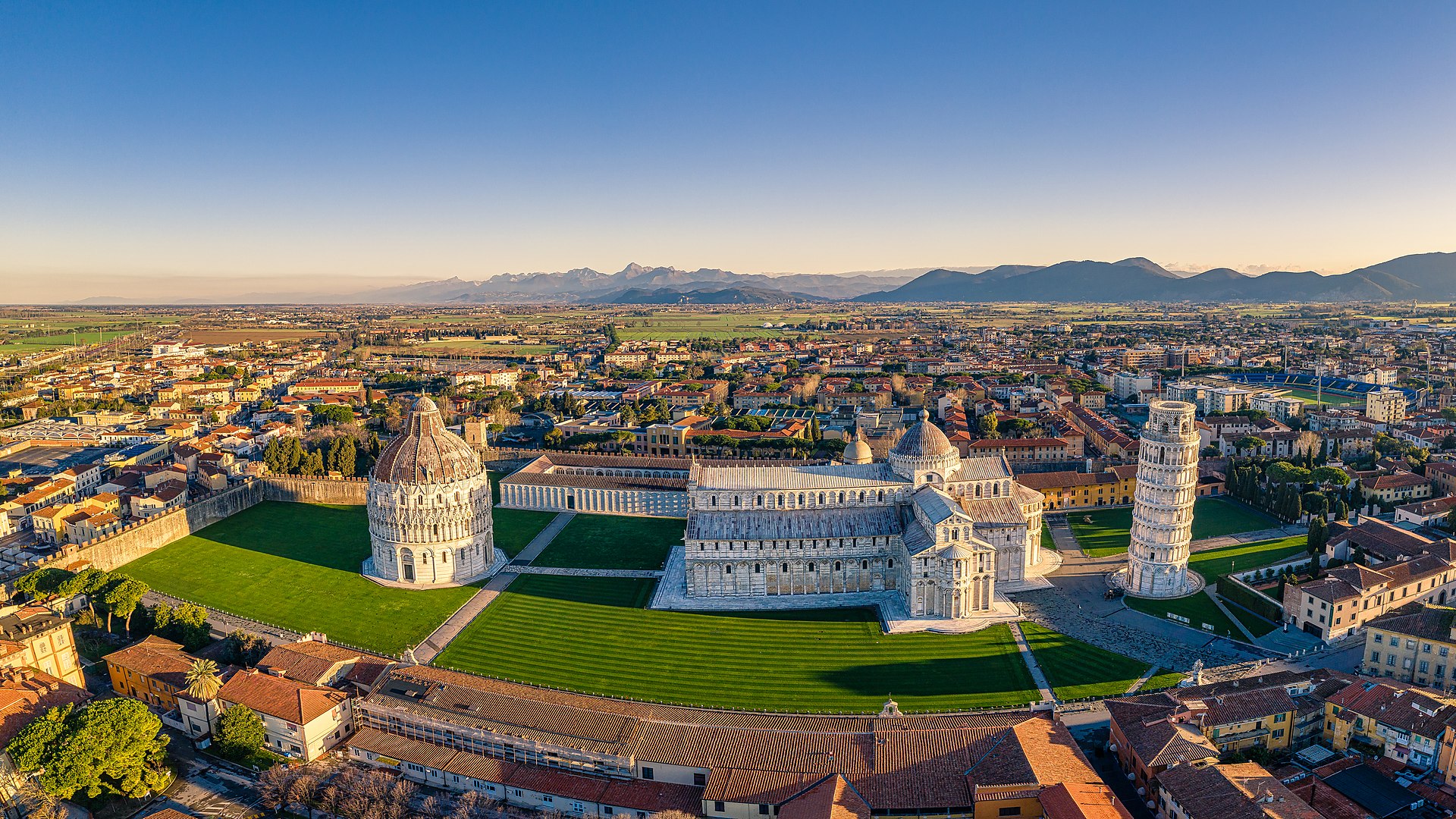
A perfect weekend in Pisa begins at dawn, when low light warms the marble of Piazza dei Miracoli and queues are still short. Book tickets for the Leaning Tower and Baptistery online, but spend at least an hour walking the lawn: here you grasp why the city was a maritime republic and an artists' crossroads. The lean of the bell tower is not a photo trick; it is a dialogue between medieval engineering and unstable soil.
Avoid souvenir stalls at the first corner; further on, toward Borgo Stretto, you will find artisans and bookshops with fair prices. The Cathedral holds Romanesque pulpits and a silence that contrasts with outside bustle. With apartments in the historic centre within a ten-minute walk, you can return to change clothes before lunch without taxis. Pisa's UNESCO core is human-scaled, and stay quality depends on location.
Before leaving the Miracoli, watch how light shifts on white marble: painters and photographers have chosen these angles for centuries. An espresso under Borgo porticoes closes the morning with Pisan ritual: quick coffee, brioche, small talk about the day. Saturday morning is when the city shows its lived-in face before coaches fill the squares.
Going deeper into Saturday morning: Miracoli without rushing also means connecting it with the wider centre: Piazza dei Miracoli remains the visual anchor, yet Pisa is understood best by crossing monuments, Borgo Stretto and the rhythms of the Vettovaglie market. Guests in a central apartment can revisit the same route and notice architectural details, inscriptions and workshops missed the first time. Pisan culture rewards slow repetition more than a rushed checklist.
Before closing the day, check getting around Pisa and any special closures during Giugno Pisano. A practical tip: always alternate crowded sites — such as the Leaning Tower — with quiet corners like Giardino Scotto or an exhibition at Palazzo Blu. Your stay keeps a human pace and travel memory does not shrink to a single iconic photo.
Saturday afternoon: Arno embankments and Palazzo Blu
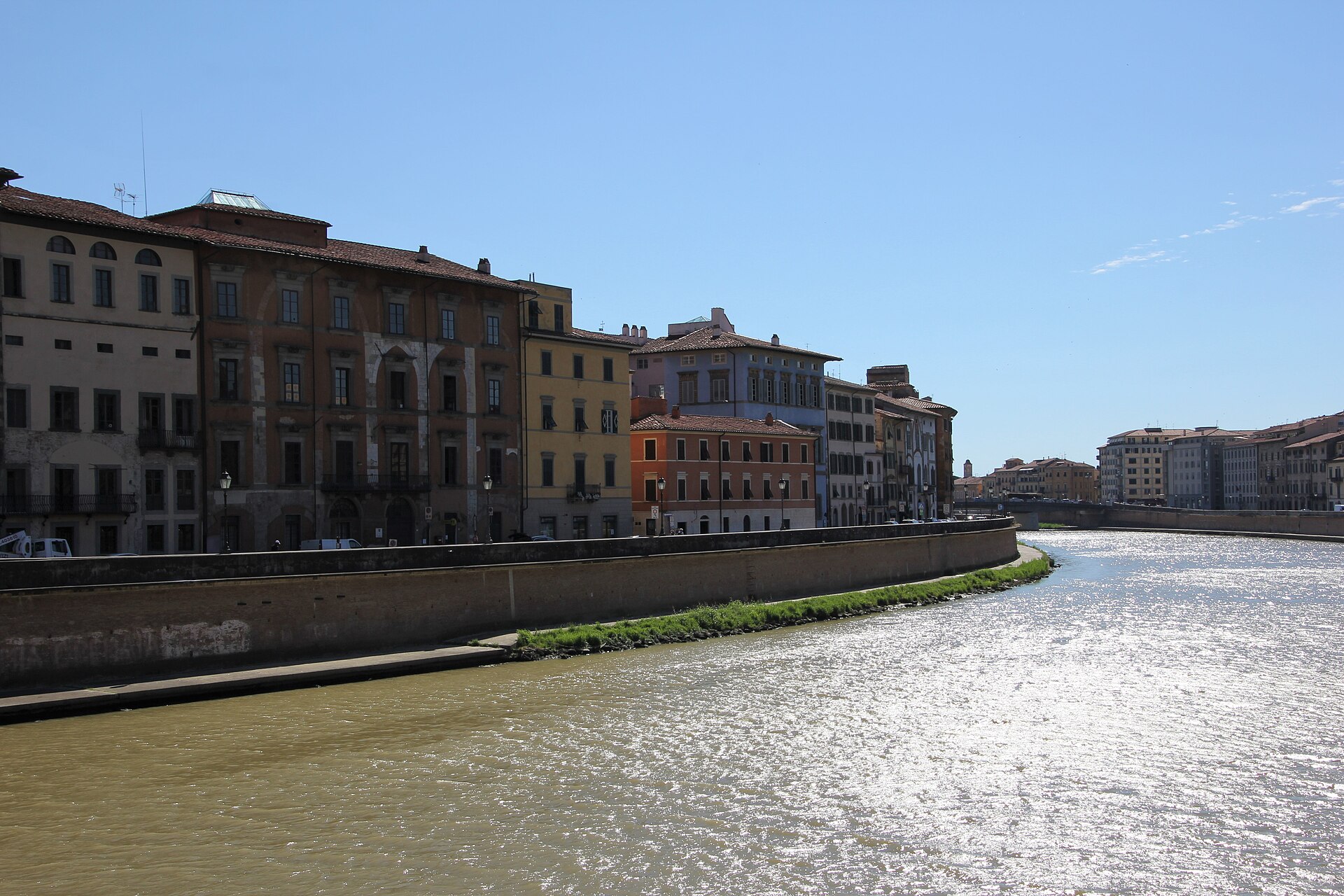
Afternoon belongs to the Arno. Walk the embankment to Palazzo Blu, where temporary exhibitions narrate Pisa from the nineteenth century to today. Noble palaces mirror on the river: study façades, window details, ochre and grey tones shifting with clouds. Here the city stops being a postcard and becomes real habitation.
Pause on Ponte di Mezzo to watch rowers train or regatta preparations: water is Pisa's cultural bloodstream. Before dinner, slip into lanes parallel to the river: tiny galleries, restoration studios, ceramic workshops. Pisan culture is not only museums; it is daily craft.
Choose a trattoria with a handwritten menu and few seasonal dishes: chickpeas, salt cod, torta coi bischeri. Ask for local wine, a light white or hills red. After eating, twenty minutes along the lit embankment beats any loud club.
Going deeper into Saturday afternoon: Arno embankments and Palazzo Blu also means connecting it with the wider centre: Piazza dei Miracoli remains the visual anchor, yet Pisa is understood best by crossing monuments, Borgo Stretto and the rhythms of the Vettovaglie market. Guests in a central apartment can revisit the same route and notice architectural details, inscriptions and workshops missed the first time. Pisan culture rewards slow repetition more than a rushed checklist.
Before closing the day, check getting around Pisa and any special closures during Giugno Pisano. A practical tip: always alternate crowded sites — such as the Leaning Tower — with quiet corners like Giardino Scotto or an exhibition at Palazzo Blu. Your stay keeps a human pace and travel memory does not shrink to a single iconic photo.
Sunday: Cavalieri, markets and Sant'Anna
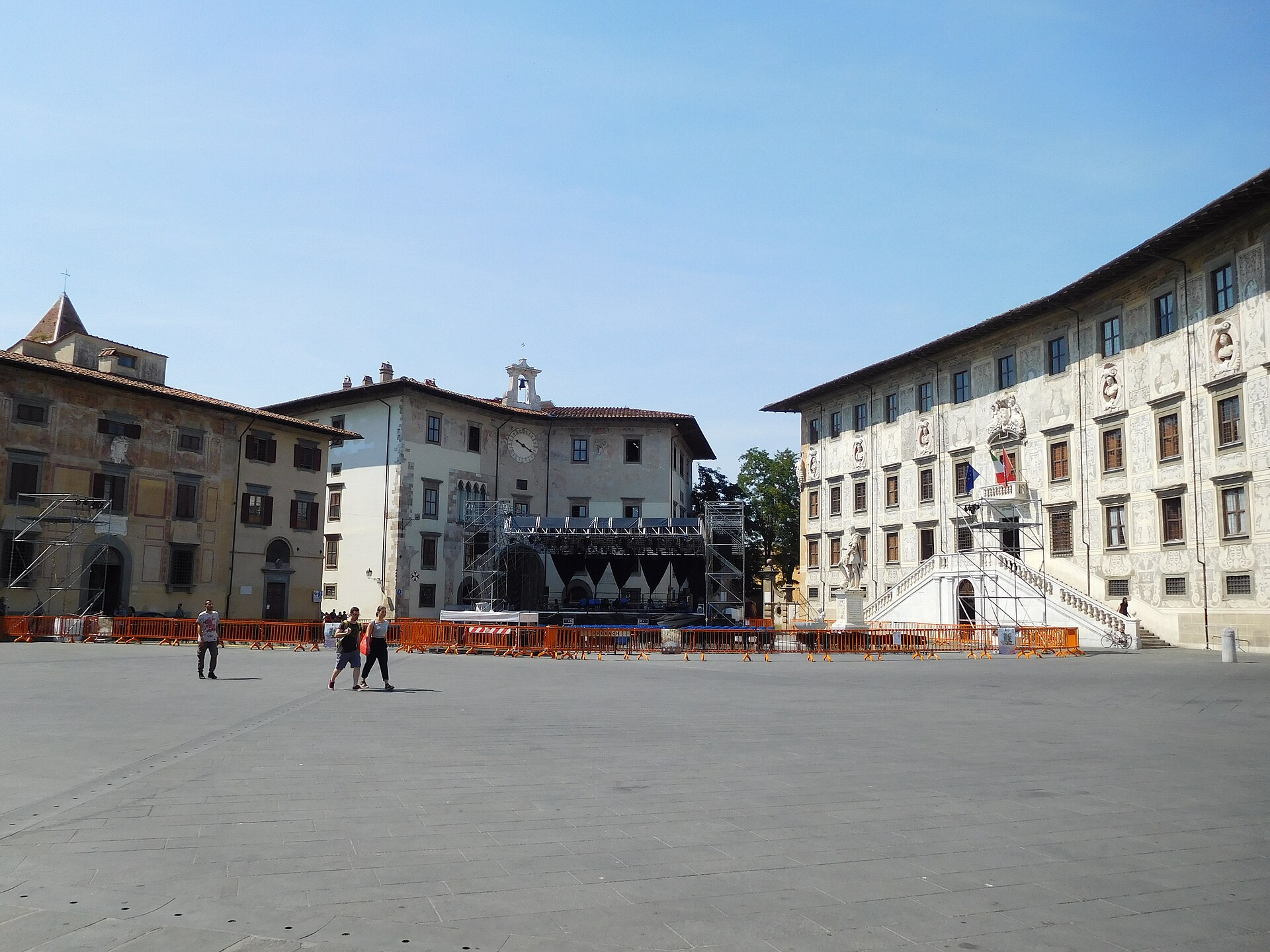
Sunday morning suits Piazza dei Cavalieri, political heart of medieval Pisa and symbolic campus today. The Scuola Normale façade speaks of cultural elite and European research: even without entering, reading inscriptions of the Order of Saint Stephen is an urban history lesson.
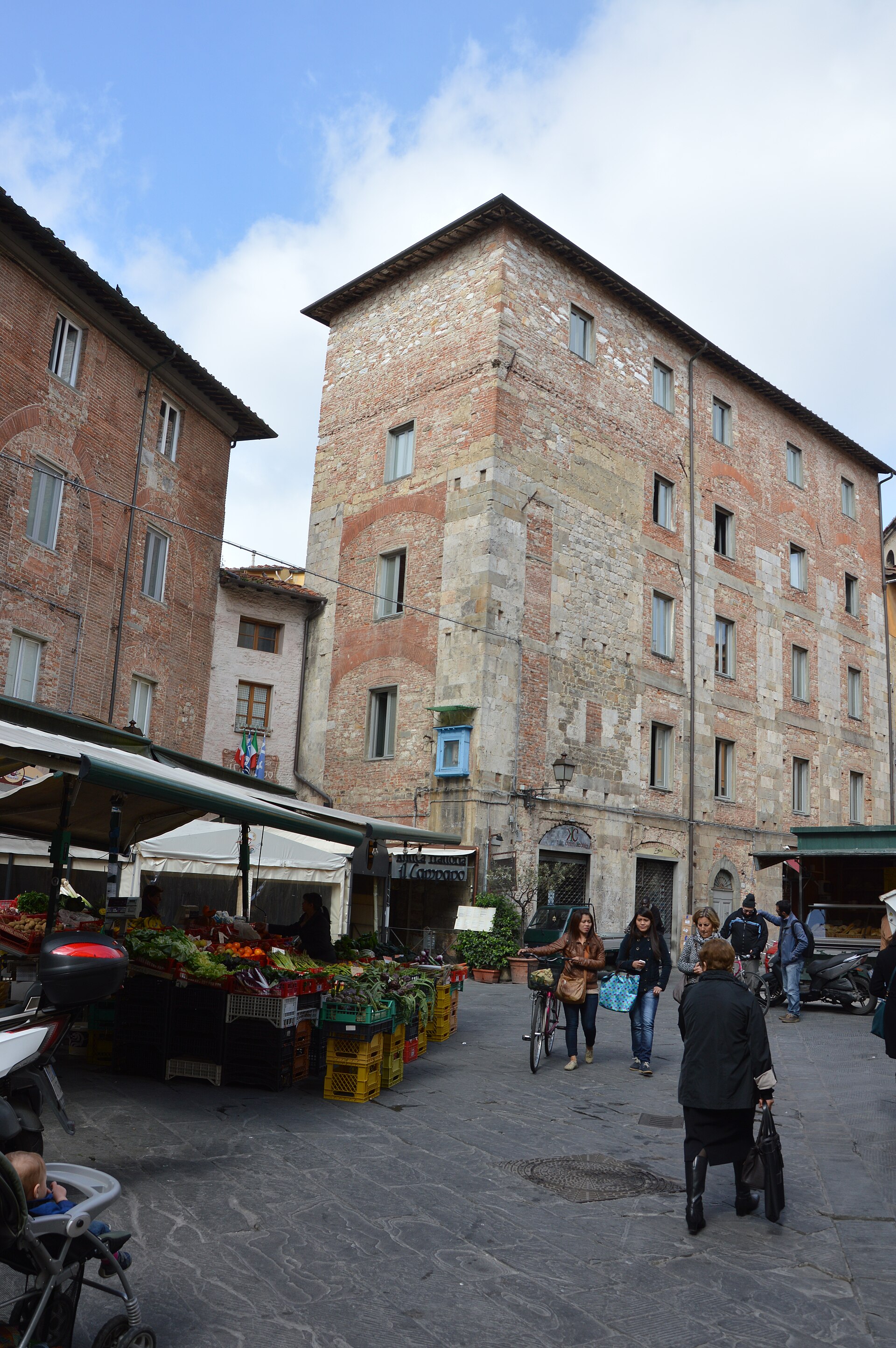
If the market is open, buy cheese, olives and natural-leaven bread at the Vettovaglie market for a picnic on Borgo Stretto or along the walls. From here reach Sant'Anna in minutes, with murals, independent venues and student creative energy.
Afternoon time for Giardino Scotto or a temporary show: Pisan Sundays reward those who alternate monuments and green space. Before leaving, sit on an Arno bench and reread the trip: masterpieces, living districts and local rituals in just two days.
Going deeper into Sunday: Cavalieri, markets and Sant'Anna also means connecting it with the wider centre: Piazza dei Miracoli remains the visual anchor, yet Pisa is understood best by crossing monuments, Borgo Stretto and the rhythms of the Vettovaglie market. Guests in a central apartment can revisit the same route and notice architectural details, inscriptions and workshops missed the first time. Pisan culture rewards slow repetition more than a rushed checklist.
Before closing the day, check getting around Pisa and any special closures during Giugno Pisano. A practical tip: always alternate crowded sites — such as the Leaning Tower — with quiet corners like Giardino Scotto or an exhibition at Palazzo Blu. Your stay keeps a human pace and travel memory does not shrink to a single iconic photo.
Pace, tickets and seasonality
Plan the weekend by season. Spring and autumn invite all-day walking; in summer concentrate monument visits in early hours and go out evenings. Winter offers soft light and quieter museums, ideal for photography lovers.
Always check church and museum hours: many close Monday early afternoon, so Sunday is best to catch what you postponed. During Giugno Pisano the calendar fills with concerts and festivals: book lodging well ahead.
An honest cultural budget for two days includes combined Miracoli tickets, one Palazzo Blu exhibition and a historic trattoria meal. Save on transport by walking and invest in lodging: Getting around Pisa confirms buses and bikes help but never replace walking the core.
Going deeper into Pace, tickets and seasonality also means connecting it with the wider centre: Piazza dei Miracoli remains the visual anchor, yet Pisa is understood best by crossing monuments, Borgo Stretto and the rhythms of the Vettovaglie market. Guests in a central apartment can revisit the same route and notice architectural details, inscriptions and workshops missed the first time. Pisan culture rewards slow repetition more than a rushed checklist.
Before closing the day, check getting around Pisa and any special closures during Giugno Pisano. A practical tip: always alternate crowded sites — such as the Leaning Tower — with quiet corners like Giardino Scotto or an exhibition at Palazzo Blu. Your stay keeps a human pace and travel memory does not shrink to a single iconic photo.
Further depth and cultural connections
A mature cultural weekend includes a «blank» moment — half an hour in Piazza dei Cavalieri watching students and visitors — and an active one, such as climbing the bell tower or visiting the Baptistery with audio guide. Balancing activity and pause avoids the marathon effect that ruins many European city breaks.
If you arrive by train, getting from the station to the centre takes twenty minutes on foot: drop bags in your apartment with early check-in and start from Borgo immediately. By car, park outside the ZTL and walk: the weekend works only if the core remains a mental pedestrian zone, not endless parking.
Finally, note two addresses recommended by shopkeepers or baristas — they often point to trattorias and corners apps do not rank. Pisa rewards polite questions and long, typically Tuscan answers.
In summary
A cultural weekend in Pisa works when you alternate UNESCO masterpieces, riverside walks, university quarters and local food without rushing.
- Saturday morning at the Miracoli with pre-booked tickets and a Borgo Stretto pause.
- Saturday afternoon along the Arno to Palazzo Blu and traditional trattoria dinner.
- Sunday at Piazza dei Cavalieri, Sant'Anna and market or green time at Giardino Scotto.
- Stay in the historic centre to maximise time and atmosphere.