A campus inside the medieval core
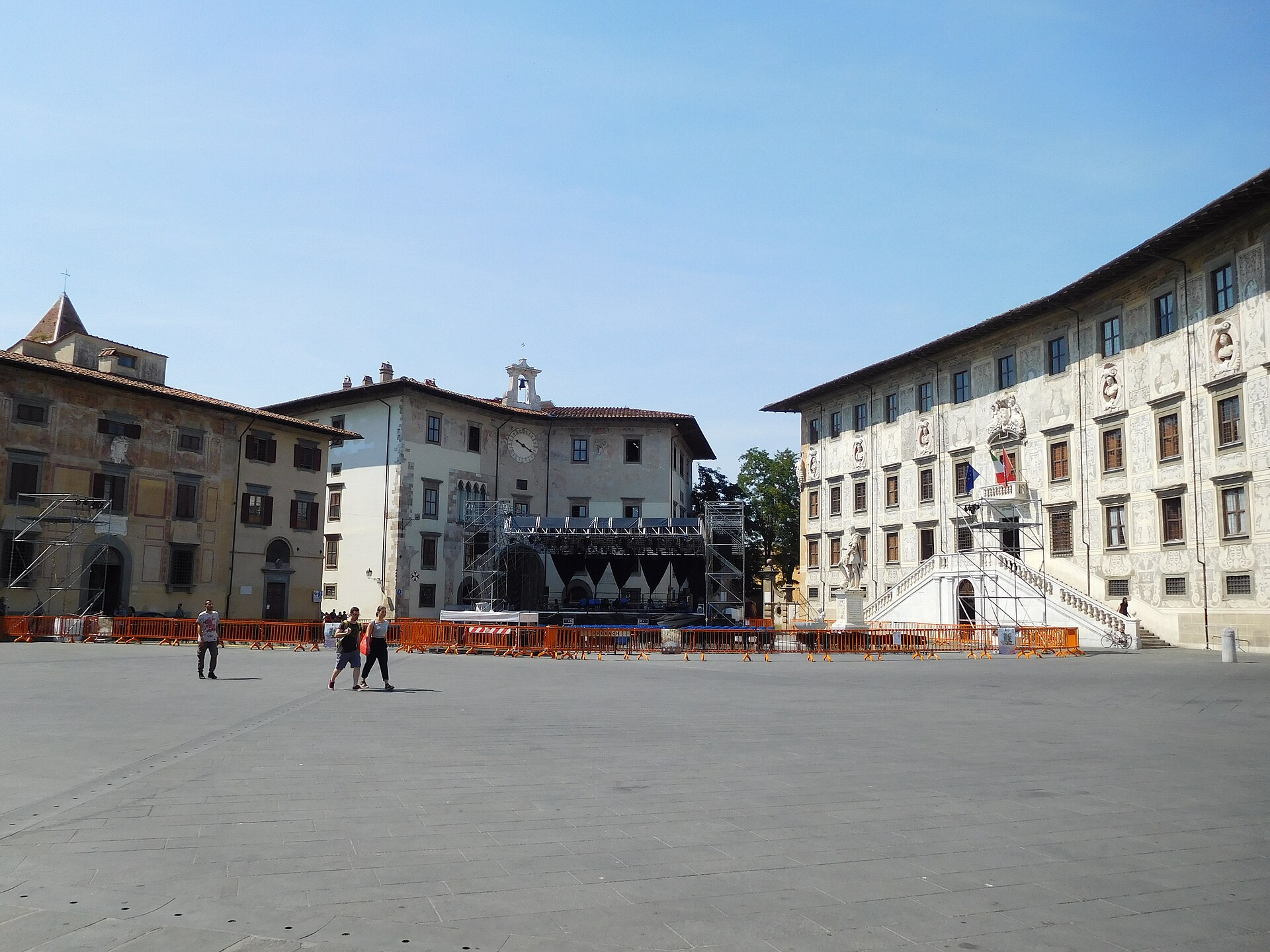
The Sant'Anna district spreads north of the historic centre, between Piazza dei Cavalieri and the walls. Here the Scuola Superiore Sant'Anna — elite research institute — meets daily life for thousands of University of Pisa students. Walking via Sant'Anna and via Cardinale Maffi crosses an open-air laboratory where past and future touch.
Unlike modern suburban campuses, Pisa kept research inside urban fabric. Renaissance palaces hold classrooms; narrow lanes lead to libraries and lecture halls. You do not visit a «university pole»; you inhabit a city that studies.
Staying in apartments near the university quarter, mornings start in busy bars with researchers; evenings bring independent venues with acoustic gigs, book launches and debates. Culture here has no fixed opening hour — it is continuous conversation.
Going deeper into A campus inside the medieval core also means connecting it with the wider centre: Piazza dei Miracoli remains the visual anchor, yet Pisa is understood best by crossing monuments, Borgo Stretto and the rhythms of the Vettovaglie market. Guests in a central apartment can revisit the same route and notice architectural details, inscriptions and workshops missed the first time. Pisan culture rewards slow repetition more than a rushed checklist.
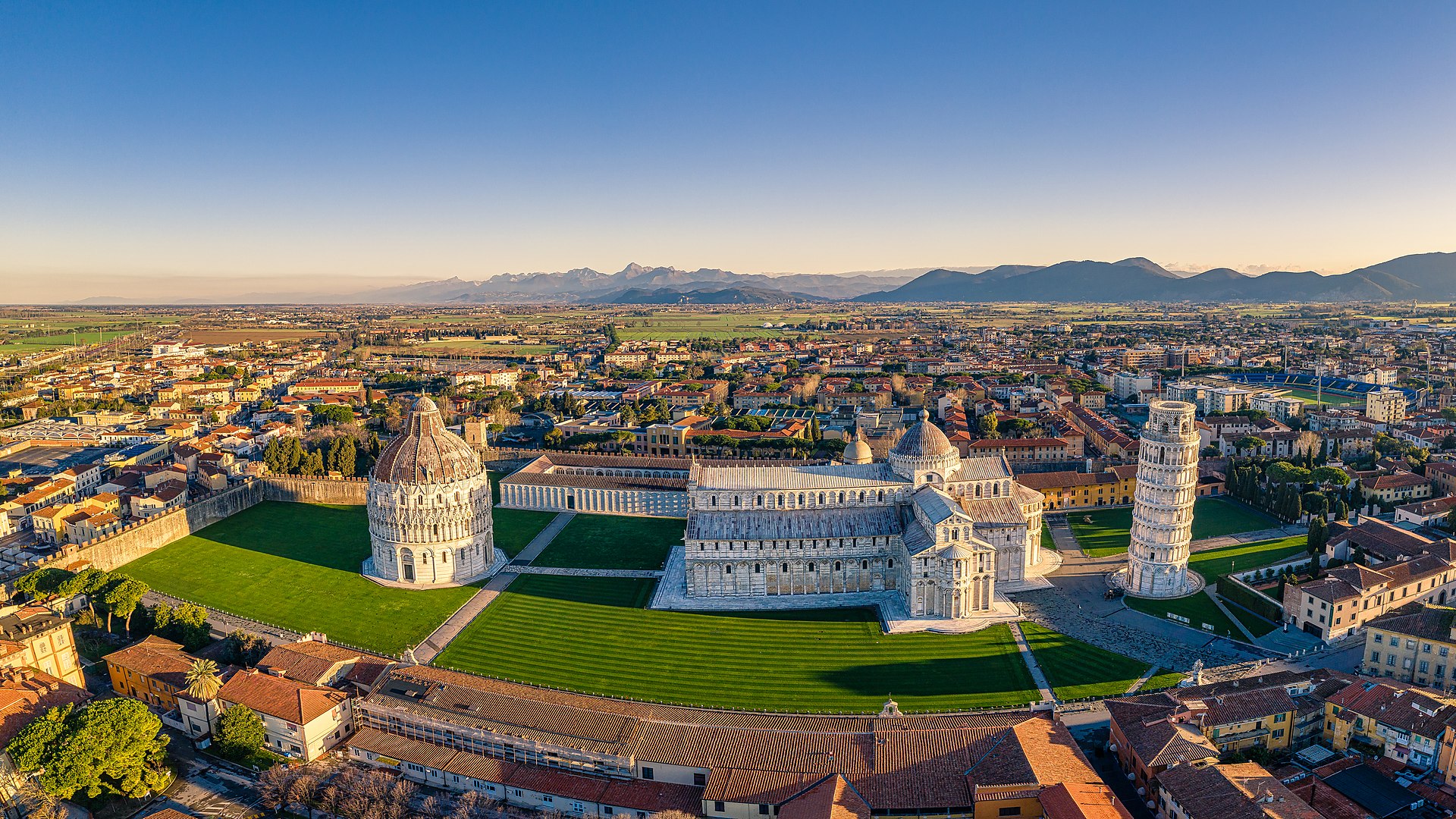
Before closing the day, check getting around Pisa and any special closures during Giugno Pisano. A practical tip: always alternate crowded sites — such as the Leaning Tower — with quiet corners like Giardino Scotto or an exhibition at Palazzo Blu. Your stay keeps a human pace and travel memory does not shrink to a single iconic photo.
Murals, workshops and street creativity
In recent years Sant'Anna has seen murals and artistic interventions on walls and gates. Many works come from collaborations between students, local artists and community — not mere aesthetic gentrification. Reading these walls means reading contemporary Pisa, not only the medieval postcard.
Artisan shops and print studios coexist with hi-tech labs and university spin-offs. Buying handmade paper or vinyl in an independent shop supports a cultural ecosystem chains cannot replace. Borgo Stretto is five minutes away: ideal to alternate historic shopping and creative quarter.
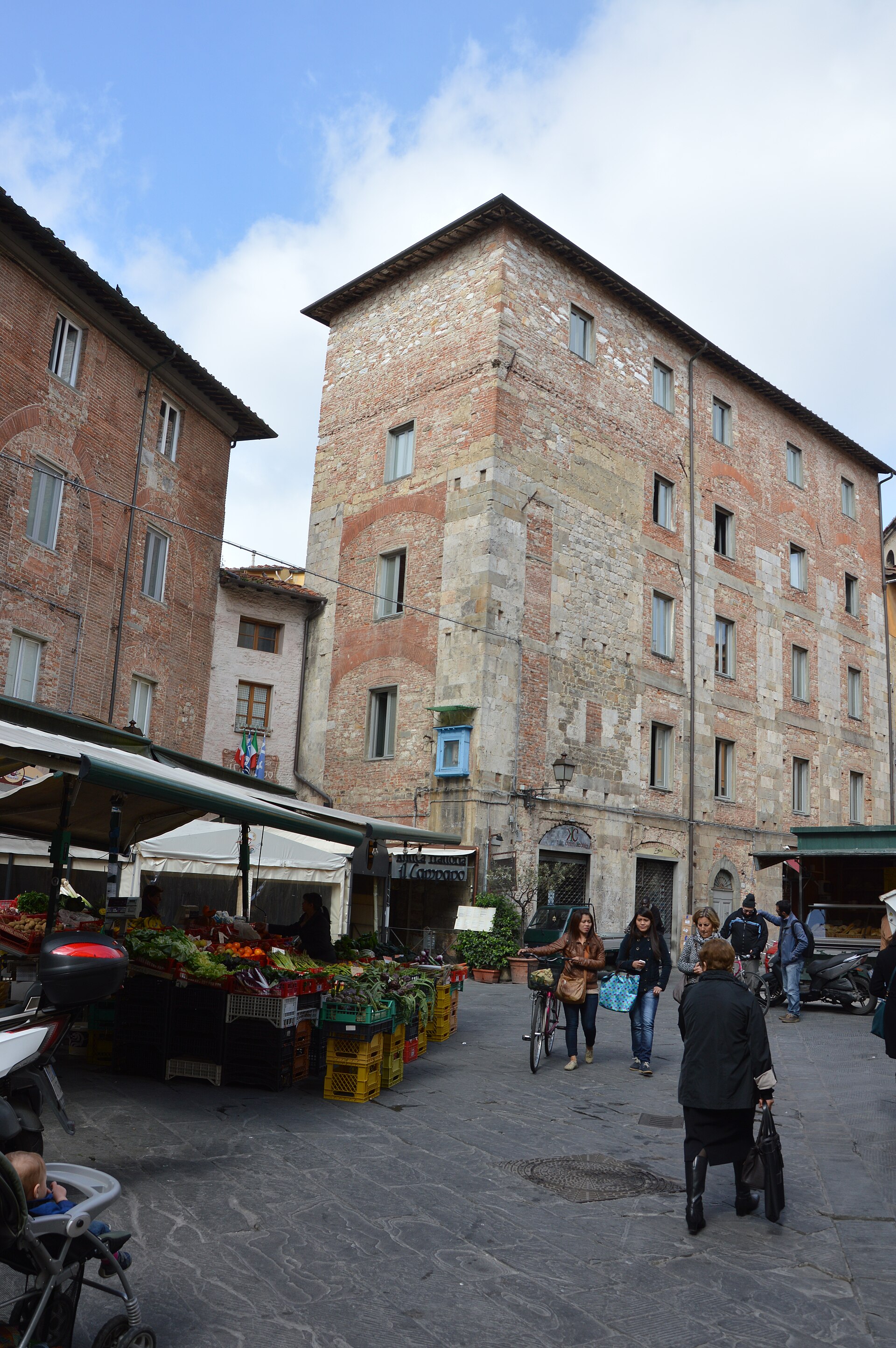
The Vettovaglie market nearby is the popular counterpoint: fresh produce, fair prices, meetings across generations. Students and professors shop here Sunday morning — following them is free urban anthropology.
Going deeper into Murals, workshops and street creativity also means connecting it with the wider centre: Piazza dei Miracoli remains the visual anchor, yet Pisa is understood best by crossing monuments, Borgo Stretto and the rhythms of the Vettovaglie market. Guests in a central apartment can revisit the same route and notice architectural details, inscriptions and workshops missed the first time. Pisan culture rewards slow repetition more than a rushed checklist.
Before closing the day, check getting around Pisa and any special closures during Giugno Pisano. A practical tip: always alternate crowded sites — such as the Leaning Tower — with quiet corners like Giardino Scotto or an exhibition at Palazzo Blu. Your stay keeps a human pace and travel memory does not shrink to a single iconic photo.
Events, lectures and Giugno Pisano
Many university lectures are public: check Scuola Superiore and Humanities Department sites. Topics range from robotics to philosophy, marine archaeology to environmental policy. Attending a guest lecture costs nothing and offers perspective no tourist guide replicates.
During Giugno Pisano, Sant'Anna hosts evening events: jazz in courtyards, screenings, poetry readings. Book lodging early: the quarter attracts visitors seeking authenticity away from Miracoli coaches.
For movement, getting around Pisa lists buses and bike lanes linking Sant'Anna to station and Miracoli. Fifteen minutes on foot to Piazza dei Miracoli; less by bike.
Going deeper into Events, lectures and Giugno Pisano also means connecting it with the wider centre: Piazza dei Miracoli remains the visual anchor, yet Pisa is understood best by crossing monuments, Borgo Stretto and the rhythms of the Vettovaglie market. Guests in a central apartment can revisit the same route and notice architectural details, inscriptions and workshops missed the first time. Pisan culture rewards slow repetition more than a rushed checklist.
Before closing the day, check getting around Pisa and any special closures during Giugno Pisano. A practical tip: always alternate crowded sites — such as the Leaning Tower — with quiet corners like Giardino Scotto or an exhibition at Palazzo Blu. Your stay keeps a human pace and travel memory does not shrink to a single iconic photo.
Tips for exploring the district
Visit mid-morning or late afternoon when classes end and venues fill. Do not photograph people studying in libraries without respect — it is workspace, not a set. Ask baristas about weekly events — they often know calendars better than official sites.
Pair Sant'Anna with Giardino Scotto or an exhibition at Palazzo Blu: balance young energy and historic heritage in one coherent day.
A multi-night stay in the university quarter changes your relationship with Pisa: you stop being spectators and become occasional participants in a community that thinks, debates and builds the future from the city centre.
Going deeper into Tips for exploring the district also means connecting it with the wider centre: Piazza dei Miracoli remains the visual anchor, yet Pisa is understood best by crossing monuments, Borgo Stretto and the rhythms of the Vettovaglie market. Guests in a central apartment can revisit the same route and notice architectural details, inscriptions and workshops missed the first time. Pisan culture rewards slow repetition more than a rushed checklist.
Before closing the day, check getting around Pisa and any special closures during Giugno Pisano. A practical tip: always alternate crowded sites — such as the Leaning Tower — with quiet corners like Giardino Scotto or an exhibition at Palazzo Blu. Your stay keeps a human pace and travel memory does not shrink to a single iconic photo.
Further depth and cultural connections
Sant'Anna represents Pisa that exports ideas: robotics, precision agriculture, political science. Even without academic background, reading info panels outside buildings helps explain why the city attracts international researchers.
Link the district to Piazza dei Cavalieri to compare two excellence models — Normale and Sant'Anna — two minutes apart.
For longer stays, apartments between Sant'Anna and Borgo balance study and urban leisure.
In summary
Sant'Anna is contemporary Pisa: elite research, murals, markets and student life in the heart of the historic centre.
- Scuola Superiore Sant'Anna and University inside medieval fabric.
- Murals and independent workshops for creative Pisa.
- Public lectures and Giugno Pisano events.
- Fifteen minutes on foot to the Miracoli — ideal for longer stays.