Why the Tower alone cannot tell Pisa's story
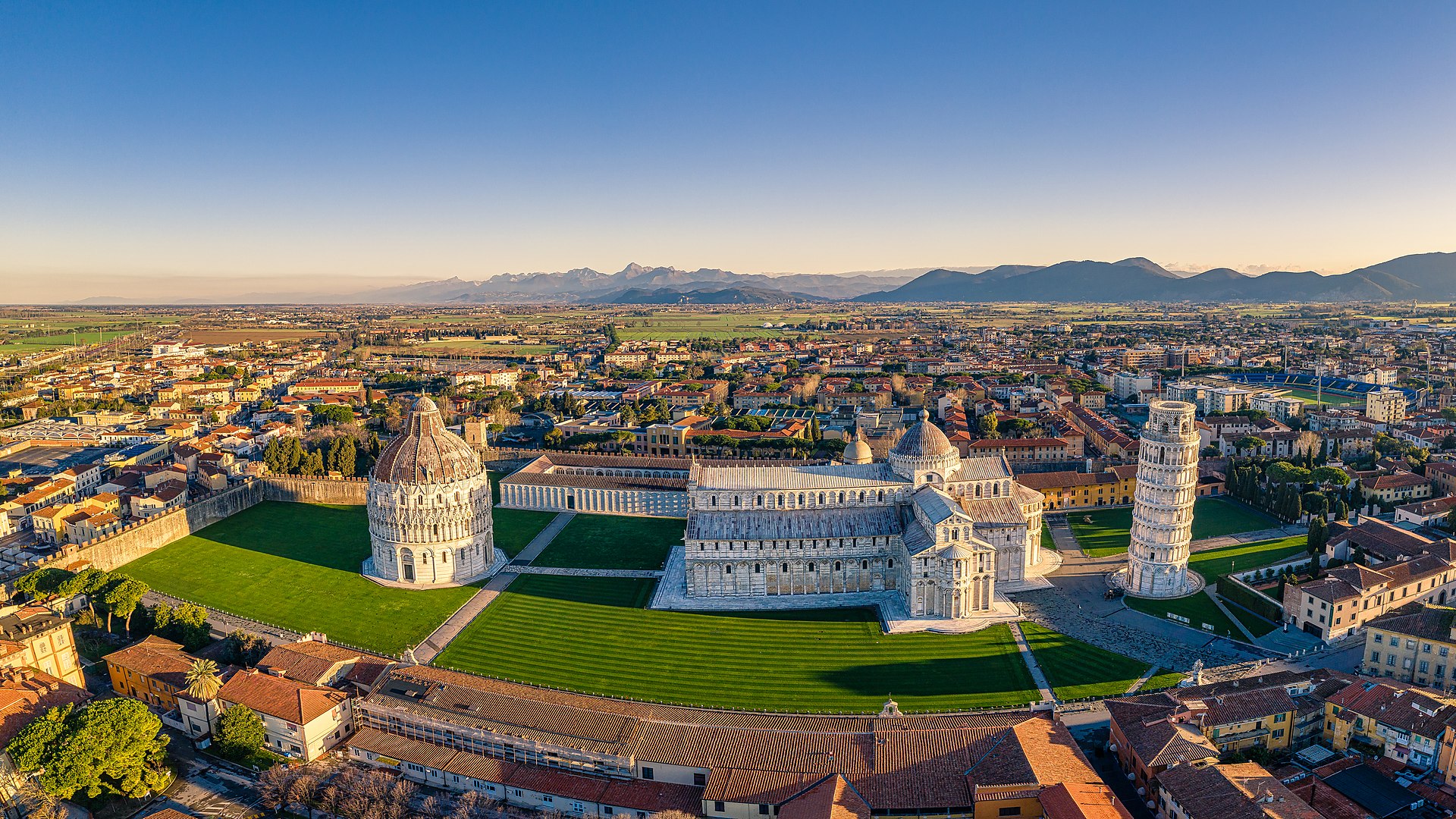
Millions stop at the Miracoli, climb the Leaning Tower and leave believing they have «done» the city. Yet Pisa is one of Italy's densest cultural capitals per square kilometre: ancient university, monastic orders, maritime republic, nineteenth-century Grand Tour. The Tower is the manifesto, not the novel. Stay one day longer and every lane reveals visible and invisible layers.
The key is shifting perspective: stop racing toward the photo spot and start reading façades, portals, coats of arms. Pisa has no single museum telling everything; dozens of minor places compose a mosaic. Palazzo Blu, neighbourhood churches, university collections — each adds a chapter.
Staying in apartments in the historic centre makes this slow approach natural. Morning for one focused site; afternoon for aimless walking. Pisan culture reveals itself to those willing to lose time — in the best sense.
Going deeper into Why the Tower alone cannot tell Pisa's story also means connecting it with the wider centre: Piazza dei Miracoli remains the visual anchor, yet Pisa is understood best by crossing monuments, Borgo Stretto and the rhythms of the Vettovaglie market. Guests in a central apartment can revisit the same route and notice architectural details, inscriptions and workshops missed the first time. Pisan culture rewards slow repetition more than a rushed checklist.
Before closing the day, check getting around Pisa and any special closures during Giugno Pisano. A practical tip: always alternate crowded sites — such as the Leaning Tower — with quiet corners like Giardino Scotto or an exhibition at Palazzo Blu. Your stay keeps a human pace and travel memory does not shrink to a single iconic photo.
Palazzo Blu and the Lungarno as open-air gallery
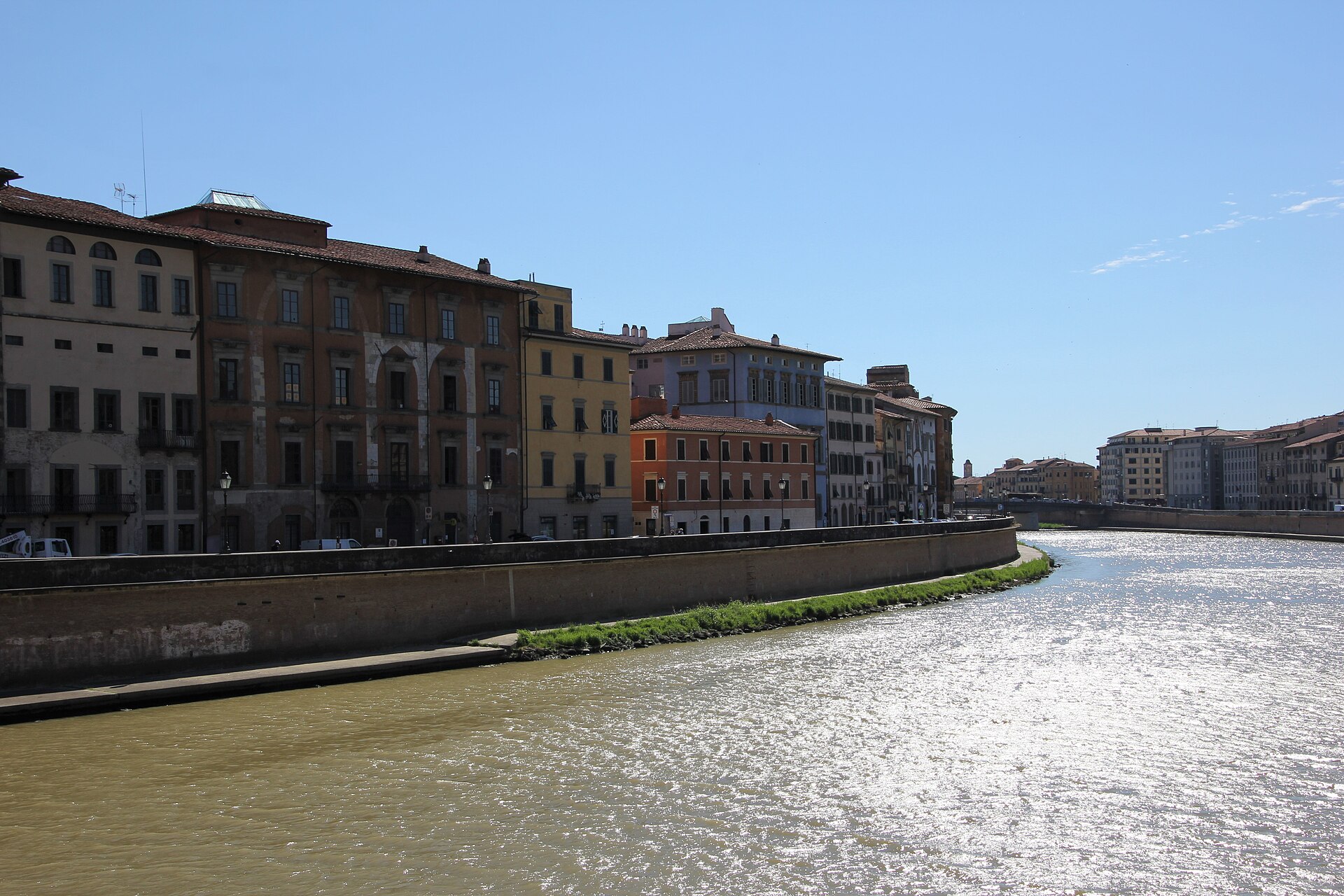
The Palazzo Blu anchors contemporary art in Pisa: international exhibitions in an eighteenth-century building on the Arno. The route begins along the Medici embankment, where every palace has a name and story — noble families, bishops, merchants. Walking here at sunset equals visiting a museum without a ticket.
Temporary shows change each season: check the calendar before travelling and pair with an evening stroll. The Arno reflects warm light and coloured façades; painters worked these perspectives for centuries. Marble at the Miracoli versus ochre plaster on the embankment tells two souls of one city.
In summer, events linked to Giugno Pisano bring music and installations to the banks. Book Palazzo Blu tickets online and spend a full hour inside, without rushing to the next sight.
Going deeper into Palazzo Blu and the Lungarno as open-air gallery also means connecting it with the wider centre: Piazza dei Miracoli remains the visual anchor, yet Pisa is understood best by crossing monuments, Borgo Stretto and the rhythms of the Vettovaglie market. Guests in a central apartment can revisit the same route and notice architectural details, inscriptions and workshops missed the first time. Pisan culture rewards slow repetition more than a rushed checklist.
Before closing the day, check getting around Pisa and any special closures during Giugno Pisano. A practical tip: always alternate crowded sites — such as the Leaning Tower — with quiet corners like Giardino Scotto or an exhibition at Palazzo Blu. Your stay keeps a human pace and travel memory does not shrink to a single iconic photo.
Churches, cloisters and medieval lanes
Beyond the Cathedral, Pisa keeps Romanesque churches such as Santa Caterina, San Frediano and San Michele in Borgo — each with pulpits, frescoes or façades deserving ten minutes of silence. Entry costs little or nothing; atmosphere beats many paid museums. Bring small binoculars for high details.
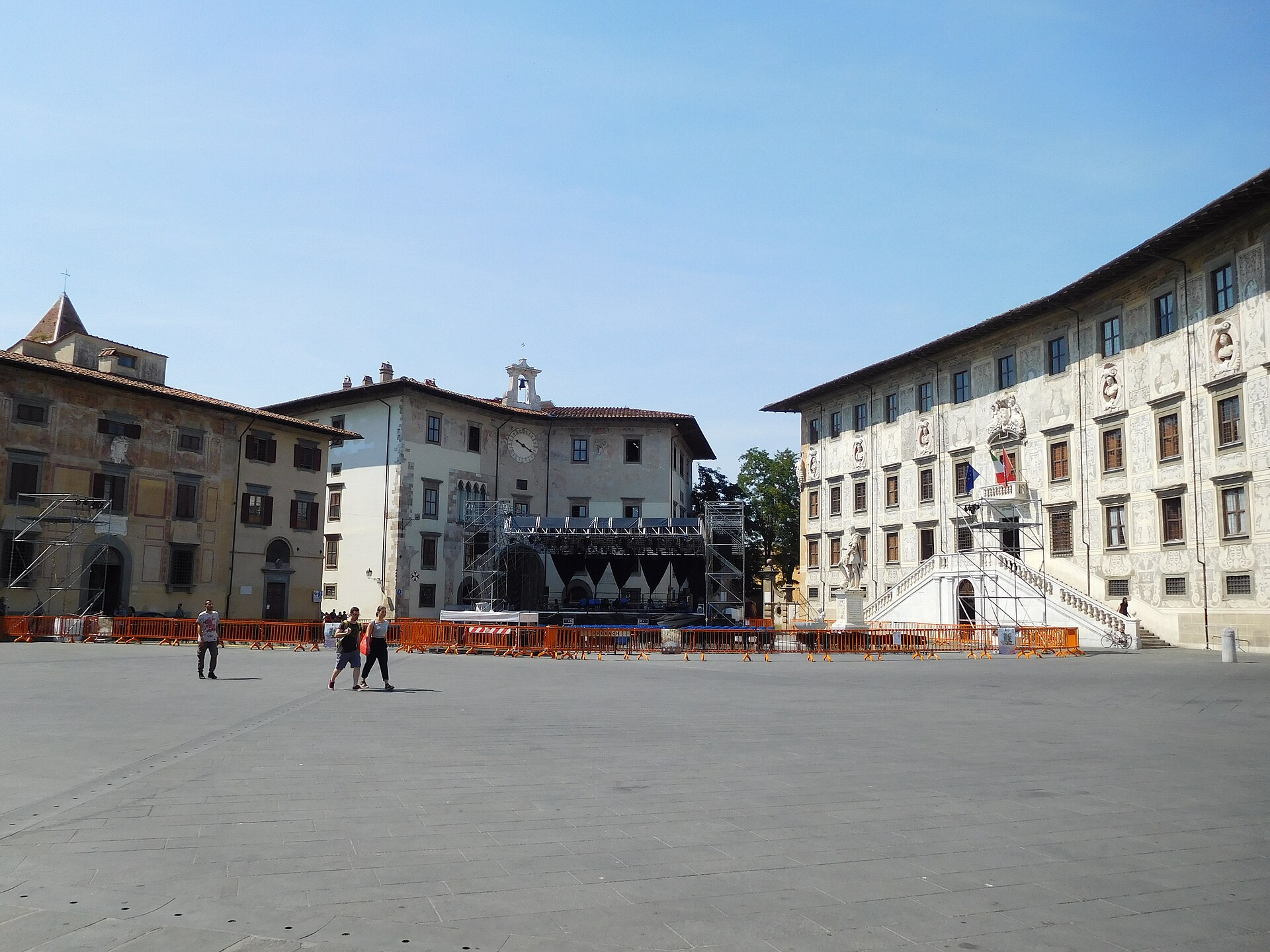
The Borgo Stretto porticoes have been commercial arteries for centuries: bookshops, workshops, historic cafés. From here reach Piazza dei Cavalieri in five minutes, medieval power centre now university campus. Notice how Vasari reshaped the square for Cosimo I: Renaissance propaganda in stone.
Do not skip Giardino Scotto, fortress turned park: walls, ancient trees, summer events. Where Pisans bring children and read newspapers, away from tourist flow.
Going deeper into Churches, cloisters and medieval lanes also means connecting it with the wider centre: Piazza dei Miracoli remains the visual anchor, yet Pisa is understood best by crossing monuments, Borgo Stretto and the rhythms of the Vettovaglie market. Guests in a central apartment can revisit the same route and notice architectural details, inscriptions and workshops missed the first time. Pisan culture rewards slow repetition more than a rushed checklist.
Before closing the day, check getting around Pisa and any special closures during Giugno Pisano. A practical tip: always alternate crowded sites — such as the Leaning Tower — with quiet corners like Giardino Scotto or an exhibition at Palazzo Blu. Your stay keeps a human pace and travel memory does not shrink to a single iconic photo.
Lesser museums and practical tips
The Roman Ships Museum, San Matteo Museum, university collections: treasures competing with more famous cities yet underrated. Plan San Matteo for medieval sculpture and ceramics: modest ticket, rare crowds.
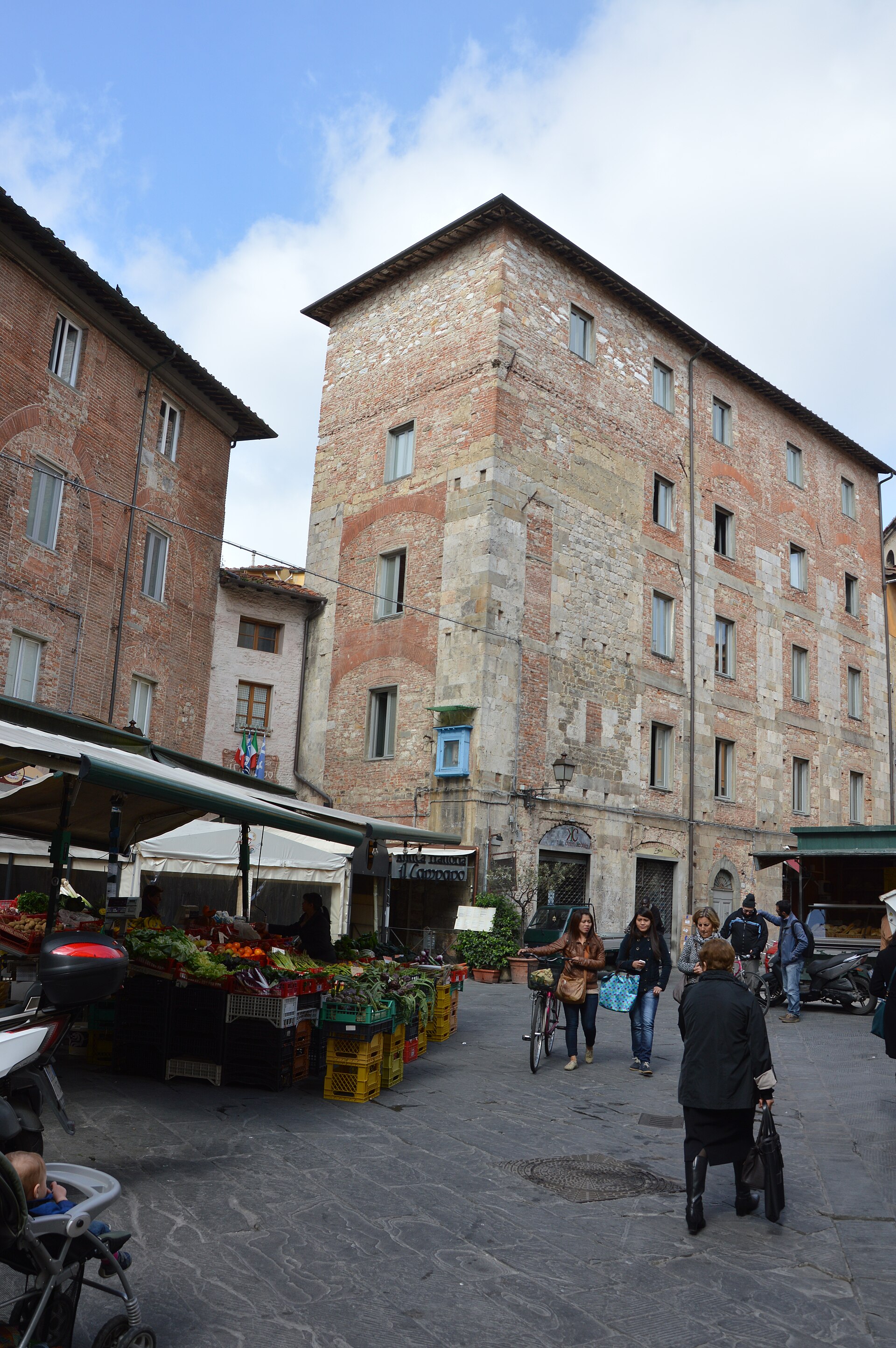
For stress-free movement, read getting around Pisa: the centre walks easily, but knowing buses and bike lanes helps when lodging across the Arno. The Vettovaglie market is daily culture: watching buyers and sellers is urban anthropology.
A «beyond the Tower» itinerary needs at least two full days. First for Miracoli and embankment; second for churches, lesser museums and university quarters. Avoid Monday afternoon when many churches close.
Going deeper into Lesser museums and practical tips also means connecting it with the wider centre: Piazza dei Miracoli remains the visual anchor, yet Pisa is understood best by crossing monuments, Borgo Stretto and the rhythms of the Vettovaglie market. Guests in a central apartment can revisit the same route and notice architectural details, inscriptions and workshops missed the first time. Pisan culture rewards slow repetition more than a rushed checklist.
Before closing the day, check getting around Pisa and any special closures during Giugno Pisano. A practical tip: always alternate crowded sites — such as the Leaning Tower — with quiet corners like Giardino Scotto or an exhibition at Palazzo Blu. Your stay keeps a human pace and travel memory does not shrink to a single iconic photo.
Further depth and cultural connections
Beyond the Tower, Pisa keeps republican memories in minor squares and peripheral centre churches. Walk to San Frediano or Santa Caterina without expecting world masterpieces: the goal is understanding how the city built identity before mass tourism.
An afternoon at Palazzo Blu pairs with browsing bookshops on Borgo Stretto: local editions, historic maps, exhibition catalogues. Taking home a Pisan book extends culture beyond the trip.
Choose central lodging to revisit places found by chance — «beyond» Pisa consolidates through repeated visits, not one frantic loop.
In summary
Pisa beyond the Tower is a city of palaces, churches, exhibitions and daily rituals: it needs time, curiosity and central lodging to discover properly.
- Palazzo Blu and Medici embankment for art and noble architecture.
- Romanesque churches and Borgo Stretto for medieval layers.
- Giardino Scotto and lesser museums for slow, authentic rhythm.
- At least two days and central lodging to avoid rushing.